
New Day
اگر در دلت شاخ سبز تازهای نگه داری، بلبل آوازخوان خواهد آمد.

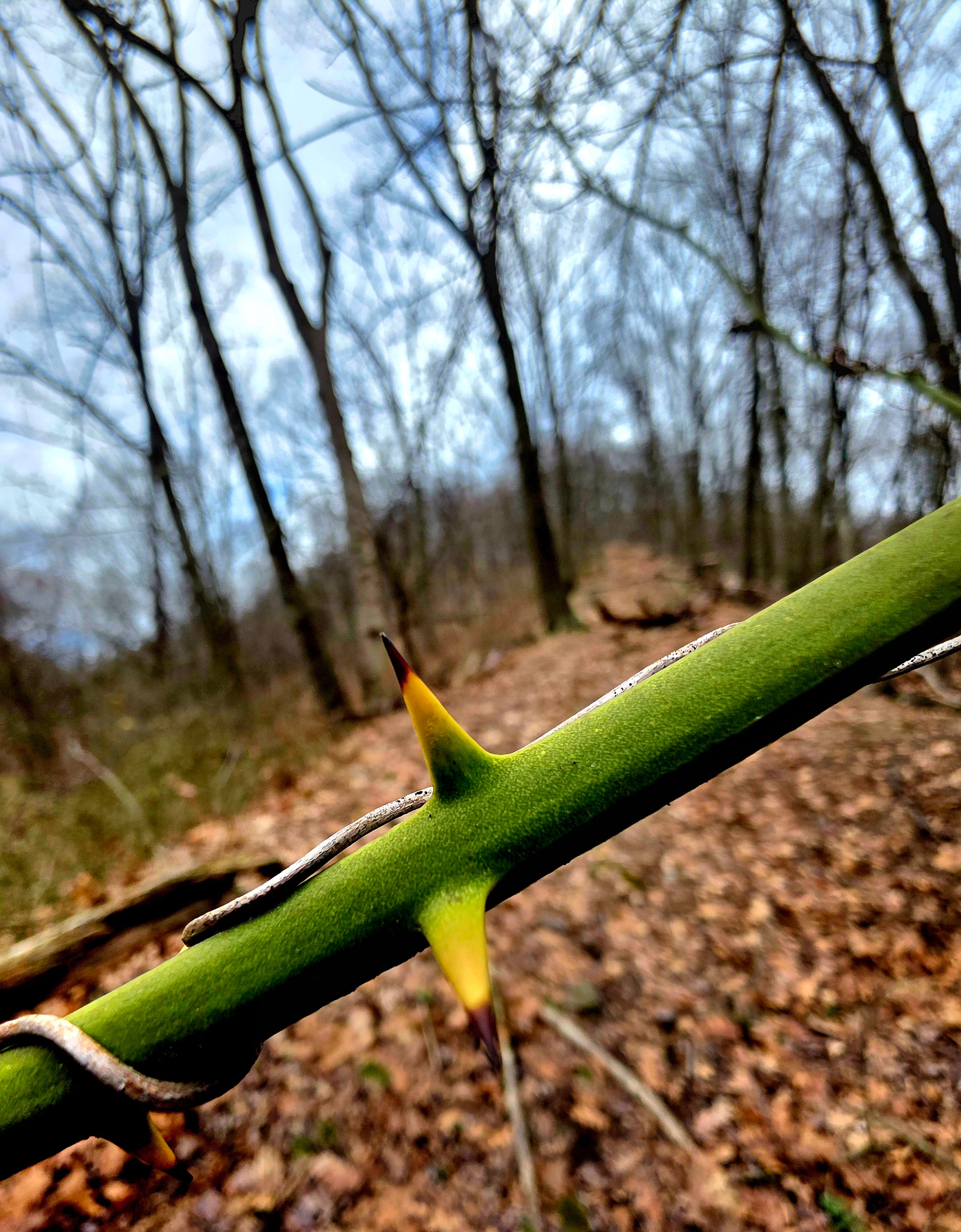
—If you keep a green branch in your heart, a singing bird will come. (Hafez Shirazi, 1325-1390)
As the nameless war drags on, the local birds and new arrivals, in their oblivion, begin to enter courtship mode. Males fighting, trailed by females; the great flocks of late winter dissipating into intimate squabbles. Canada Geese peak and fade, as Tundra Swans rise, while the songs of Long-tailed Ducks are still absent.
Urban turkeys?
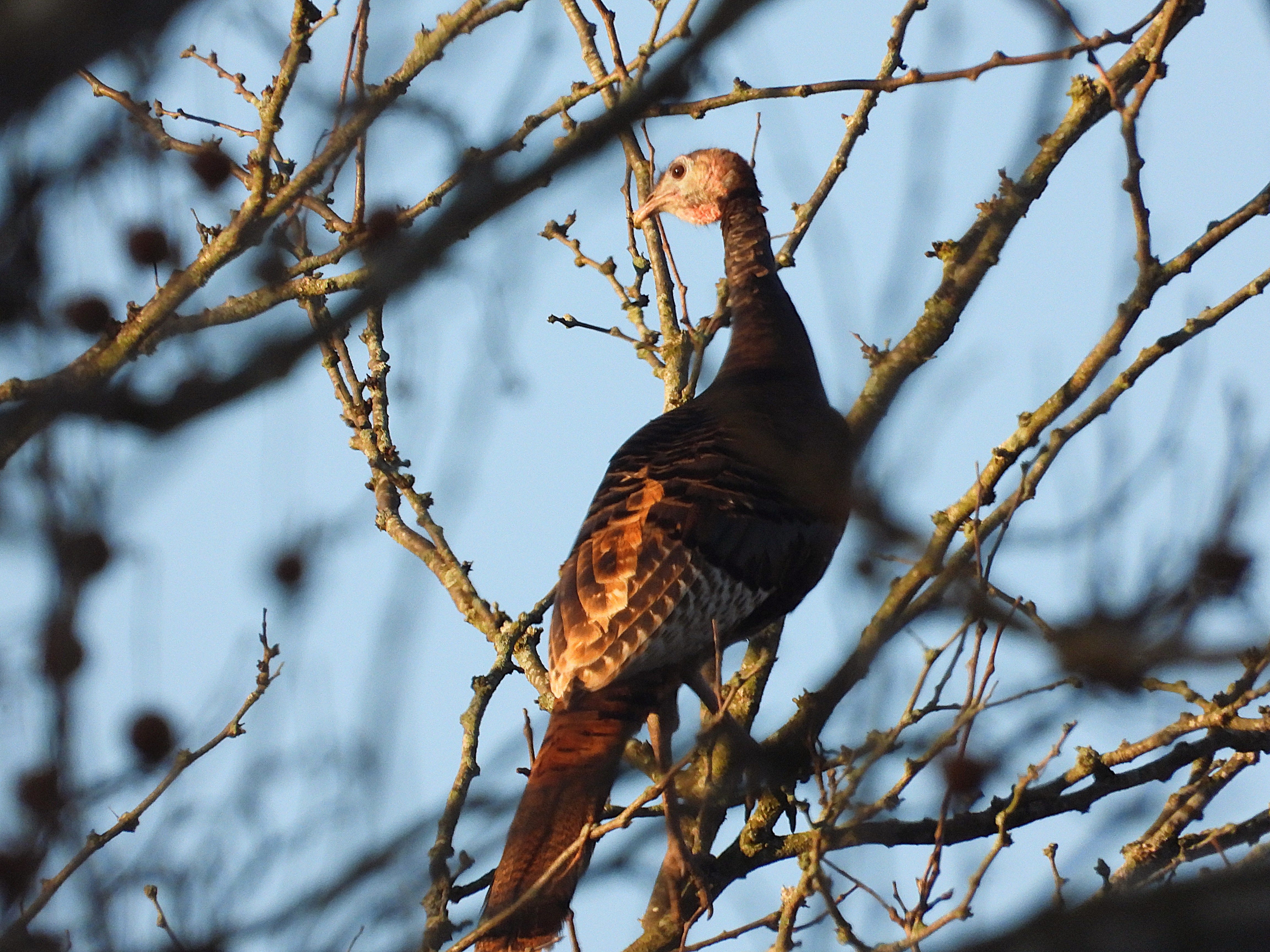
At dawn on March 9th it’s 31 degrees and mostly clear. An Eastern Phoebe is back at the confluence, though not yet singing. It flits about, calling, tail-flicking, and searching for bugs. Glorious sunlight, a rare thing these days, is a signal for me to retreat to the kitchen, but when I go back out to grab some gear, 17 massive shapes appear as if from nowhere, or at least from beyond Burger King. They coast over 10th Street, barely clear the balcony, and land not at all awkwardly in a tree by the bank. I’ve seen Wild Turkeys from the balcony once before, flying from the thick forests of Cemetery Hill, over downtown, and landing on Brush Mountain above the interstate, but this is getting ridiculous. After snapping a few close-ups before they head off up the river, I do some searching online, only to find out that turkeys do become urban dwellers, not least in Cambridge, Massachusetts, of all places!
The next day it’s a balmy 37 and finally crystal clear. While glued inextricably to my work computer in the late morning, I get a text from Eric, who’s working up on the ridgetop, that raptors are everywhere. He sees three Golden Eagles overhead, and six Black Vultures.
With a few days of warmer weather and some southerly winds prior to the oncoming last gasp of winter, we get another nice push of nocturnal fowl, which crescendos in the early hours of the 11th. Sparrows are in heavy flight: American Trees head north, and the first White-crowneds, Savannahs, and Chippings of the year show up. Song Sparrows are the dominant night mover, though, as they get set to saturate the fields and brushy areas in a week or two. Ring-billed Gulls are still on the move, as well as American Woodcocks, while Killdeer are at their height, their lonely cries echoing every so often throughout the night. Long-tailed Ducks are, surprisingly, completely absent, but Tundra Swans go over high and low, sometimes so close their grunts and whispers can be heard, and every heavy beat of their wings. Thousands transit in countless flocks over the course of ten dark hours, though I still haven’t seen a single one during the day.
Night-flying ducks, or at least the ones that can be ID’ed by sound, are also impressive this year. Several incidences of American Wigeon make this the biggest year yet for them, on top of Northern Pintail in abundance, and the first American Black Ducks, identifiable by the males’ unique quack sequence. Even a Common Goldeneye’s diagnostic wing whistle can be picked out of endless series of more generic wing sounds that could be any of a dozen species.
Balcony counts by mid-March register decreasing numbers of flock birds, as Brown-headed Cowbirds head to the deep woods and Red-winged Blackbirds take up residence in the wetlands. Robins, Song Sparrows, Common Grackles, European Starlings, House Sparrows, and House Finches are the main attractions these days, singing and courting and sorting out territories, though I haven’t seen active nest building yet. Eastern Phoebes now sing every dawn and every dusk and sometimes all day.
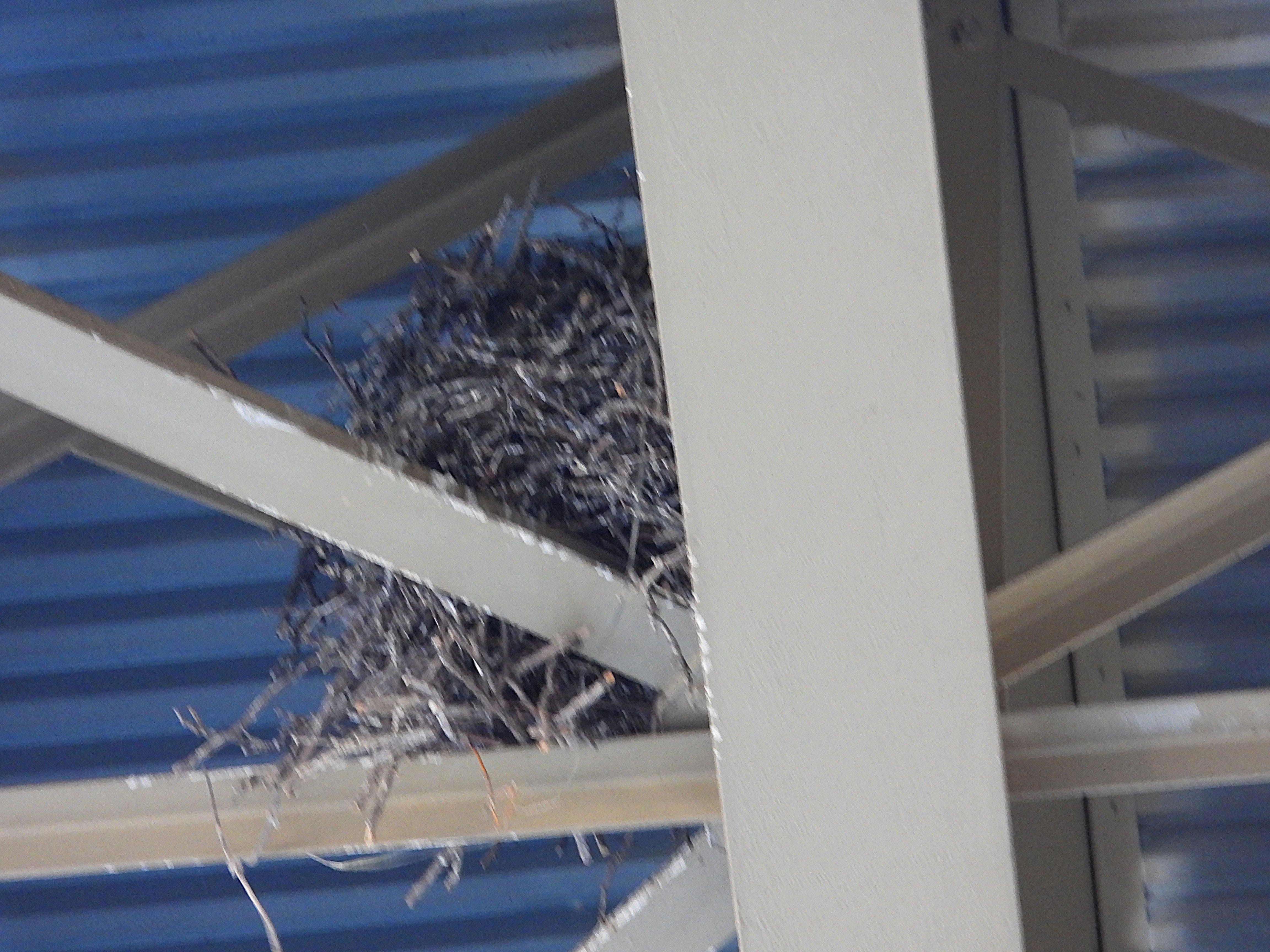
The local Common Raven pair has a prominent stick nest up under I-99, and they’re out and about constantly. One morning the noises change and the excitement grows, and they start forage for scraps about town—hatchlings, no doubt!
Notable also are the absences. Herring Gulls and indeed any daytime gulls are missing. Fish Crows haven’t returned to town yet. American Kestrels and Peregrine Falcons have still not popped up on any breezes. Rock Pigeons are around, but their commuter numbers have dropped very low, as is typical during the late winter/early spring height of breeding season.
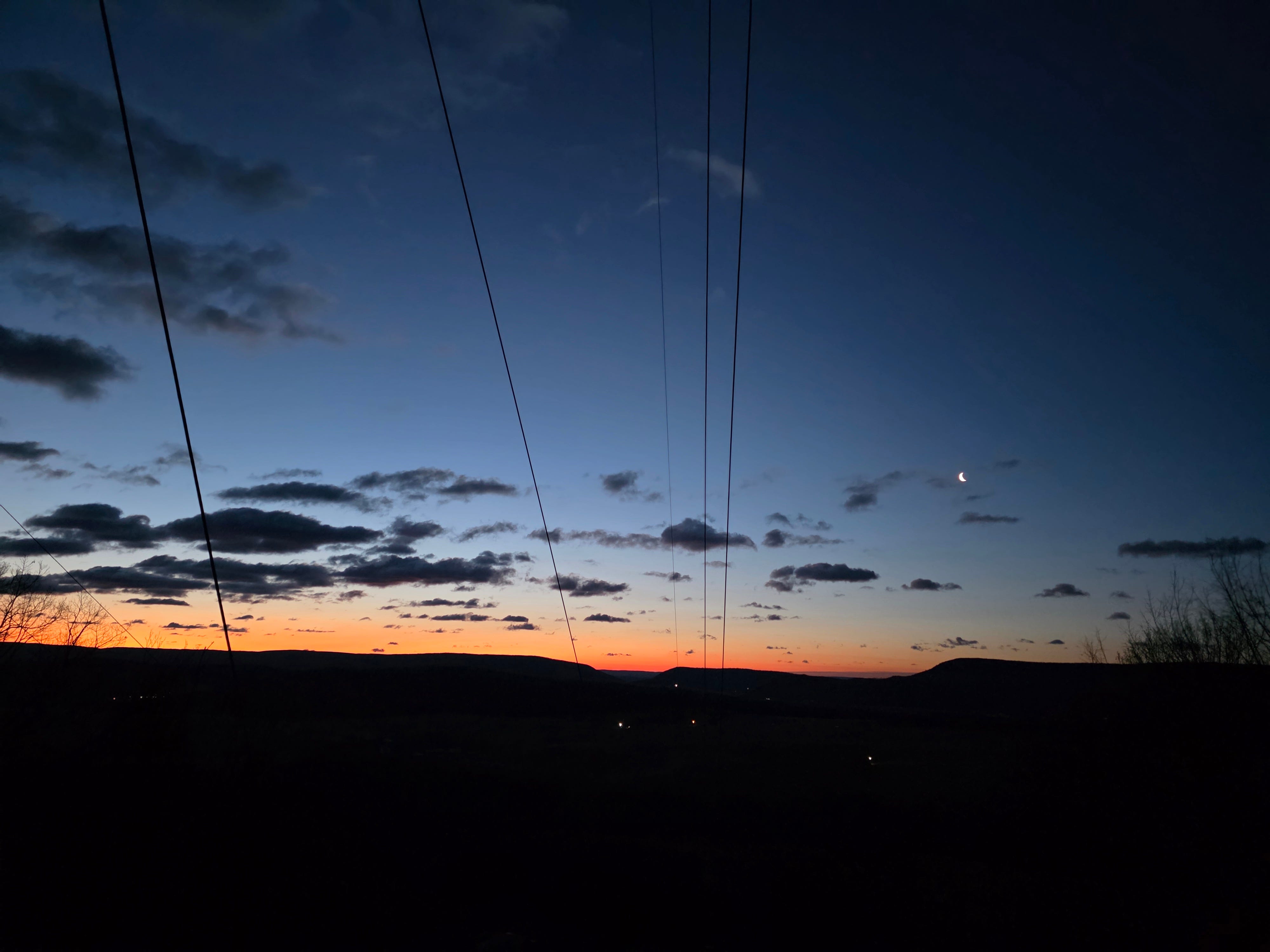
The weekend of the 14th and 15th sees only a few swans and woodcocks at night, very few ducks, and no sparrows. I take a circuit hike on Saturday morning and log a respectable 41 species, but everything other than robins are in low numbers and not vocalizing much in the still-chilly air. Sunday morning balcony numbers are respectable at 28, and at least there are more Wood Ducks than last year. Black Vultures are also regulars—four today, and on other days up to six; perhaps we’ll have more than one local nesting pair this year.
A northern blizzard side-sweeps us in the lead-up to the equinox, burying my brother Steve in Wisconsin and bashing my colleagues in the Carolinas. Here, we get brutal winds and a dip into the teens with a day of blinding lake effect snow showers, with the only benefit for the birds (or at least the birders) an inevitable upcoming weekend of northward flight when the temperatures climb again.
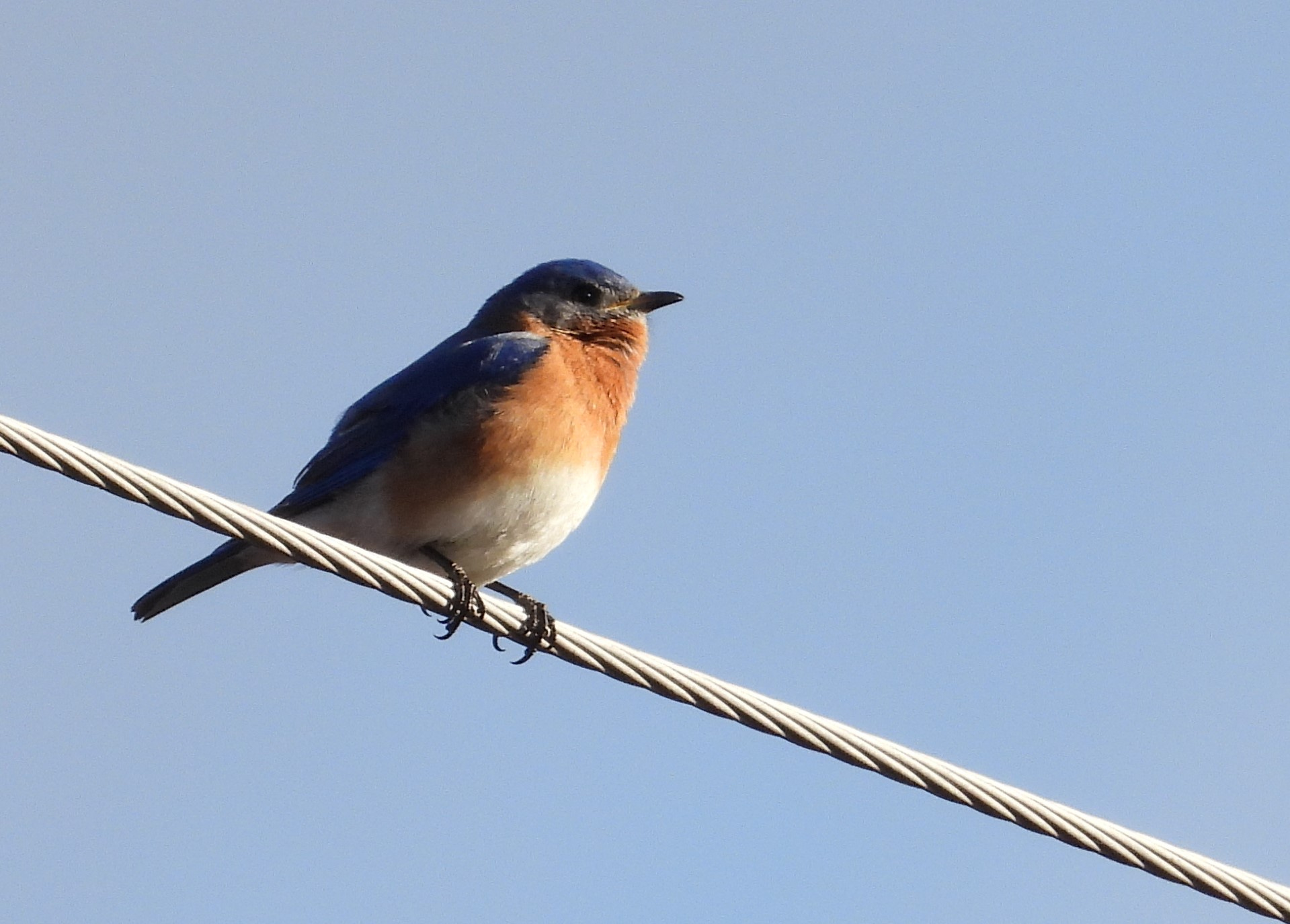
The empire doesn’t care
The 19th, Thursday, puts us back on track for spring. There’s still not much about, but finally, from my home office work station, I hear the nasal complaint of the year’s first Fish Crow at 3:37 PM outside somewhere. This is the first they’ve been in Tyrone, that I’ve heard, since September 1 of last year. Last spring, they arrived at the regular time, with six showing on March 6th, and before that, the last ones were three that appeared on October 7, 2024.
Just at dusk—cloudy, as usual—a Great Blue Heron hefts its ungainly bulk off the river and circles around town, then puts down somewhere else, the first I’ve actually seen one this year.
Later at night, Long-tailed Ducks finally come through, starting up by 9 PM and tapering off, as they typically do, by midnight, with a few flocks straggling into the wee hours. They’re weeks behind schedule. Mixed in are just a few Tundra Swans, while Canada Geese aren’t heard at all. More Gadwall go over as well; they’re easy to ID by the weak quacks of the males. Barred Owls howl and holler throughout the night, and woodcocks peent in full courtship mode at both dawn and dusk.
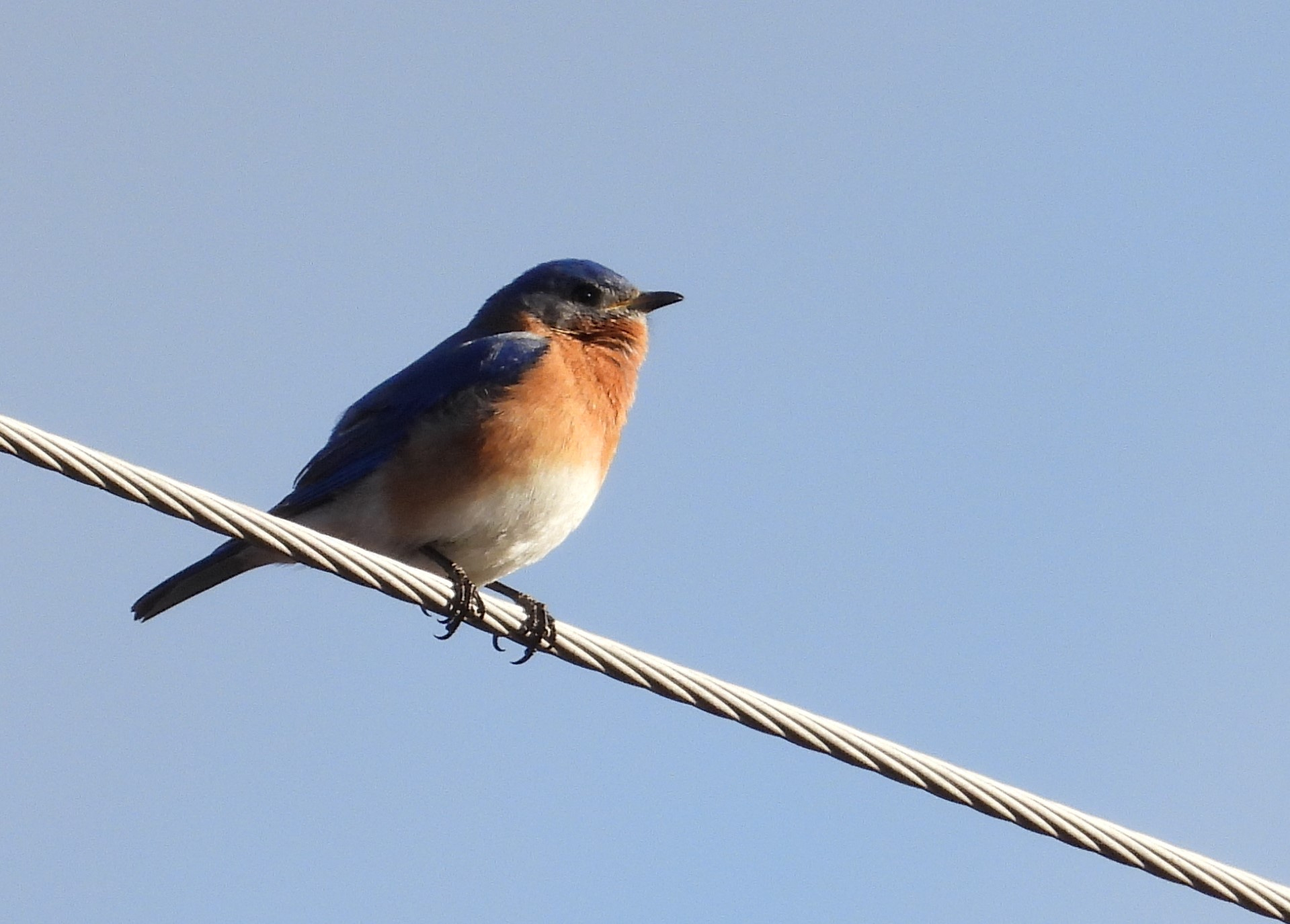
At 10:48 AM on the 20th, spring arrives with the equinox. Under heavy bombardment, Iranians are in the streets to celebrate the ancient Persian observance of Nowruz (New Day), which this year happens to coincide with Eid al-Fitr, the “breakfast” of Ramadan when folks can finally go back to a regular eating schedule after the sighting of the crescent moon. Catholics continue with Lent, and no doubt equinoctial traditions are celebrated among myriad other temperate- and boreal-zone peoples. Nowruz, in that typically dualistic Zoroastrian conception, represents the triumph of the forces of Light over the forces of Darkness, though burned and blackened skies half a world away make that as yet a bit of an abstract construct. I can only imagine the effect our latest Armageddon is having on the millions rushing north along the Central Asian Flyway. A bomb was even dropped (killing a family of three) on Ramsar itself, a tourist town on the Caspian Sea where the eponymous global wetlands protection convention was signed in 1971. The imperial war machine, of course, could give a shit about the environment.
Biggest March day ever
Meanwhile, calendar spring here brings heavy downpours Friday night, tapering off by evening, which means a lot of stuff out and about on Saturday. I don a heavy pack with gear as robins yell at each other well before 5 AM, and as I pass the bank I hear not only the wispy calls of Song Sparrows but also the chips of the first Chipping Sparrows. After the town lights fade it’s back to darkness, until the last hoots of a Great Horned Owl wafting up to the top of the powerline.
Everything sounds off from the wet woods and fields below me, including a Belted Kingfisher, rattling in an unlikely location and the first one I’ve heard this year. Odd flocks rush overhead, a frequent event in the mornings after unsettled weather; at least one Rusty in a flock of blackbirds; small groups of Pine Siskins. By 7:30, I’ve already heard and seen 40 species, which makes me wonder whether it might be possible to log 50 species this morning, a week earlier than this milestone is usually reachable.
After the chorus dies down I head on up Laurel Ridge, accompanied by the ethereal notes of a Hermit Thrush, an early song date for this species. But the stand-outs today are Song Sparrows, seemingly in every bush and goldenrod cluster, counting 60 before it’s done. They might not even be at their height, yet; past years have brought concentrations of close to 200. Fox Sparrows don’t seem as numerous as in previous years; they’re here and there, always singing, but a total of 11 is far less than in past springs. Golden-crowned Kinglet numbers are also up (23 in all), and there’s a lot of other activity in the taller woods on Sapsucker Ridge. Intriguingly, White-throated Sparrows are quite scarce, and they’ve not been active in night flight, either. I wonder if everything is delayed this year due to the blizzards and bitter cold of deep winter—this would explain why numbers are low and movements are late, if populations wintered deeper in the South and are thus taking longer to get here.
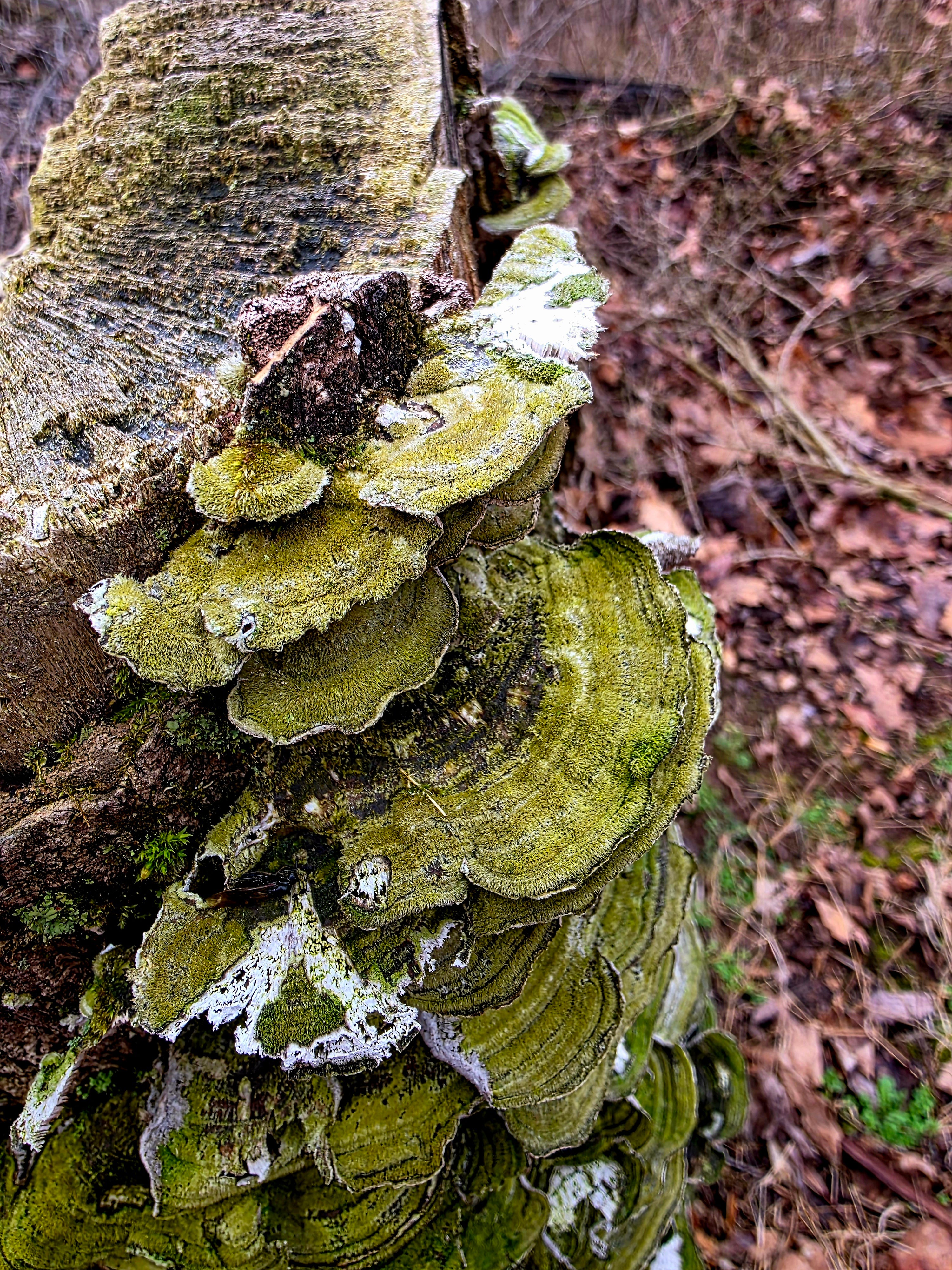
I scramble across the steepest parts of the ridge and my body doesn’t thank me later, all to stay well above the rush of the swollen stream so I can catch any hint of an early Pine Warbler. No luck there. And despite the rain, the very last patch of January snow survives in its hollowed space across from the signboard.
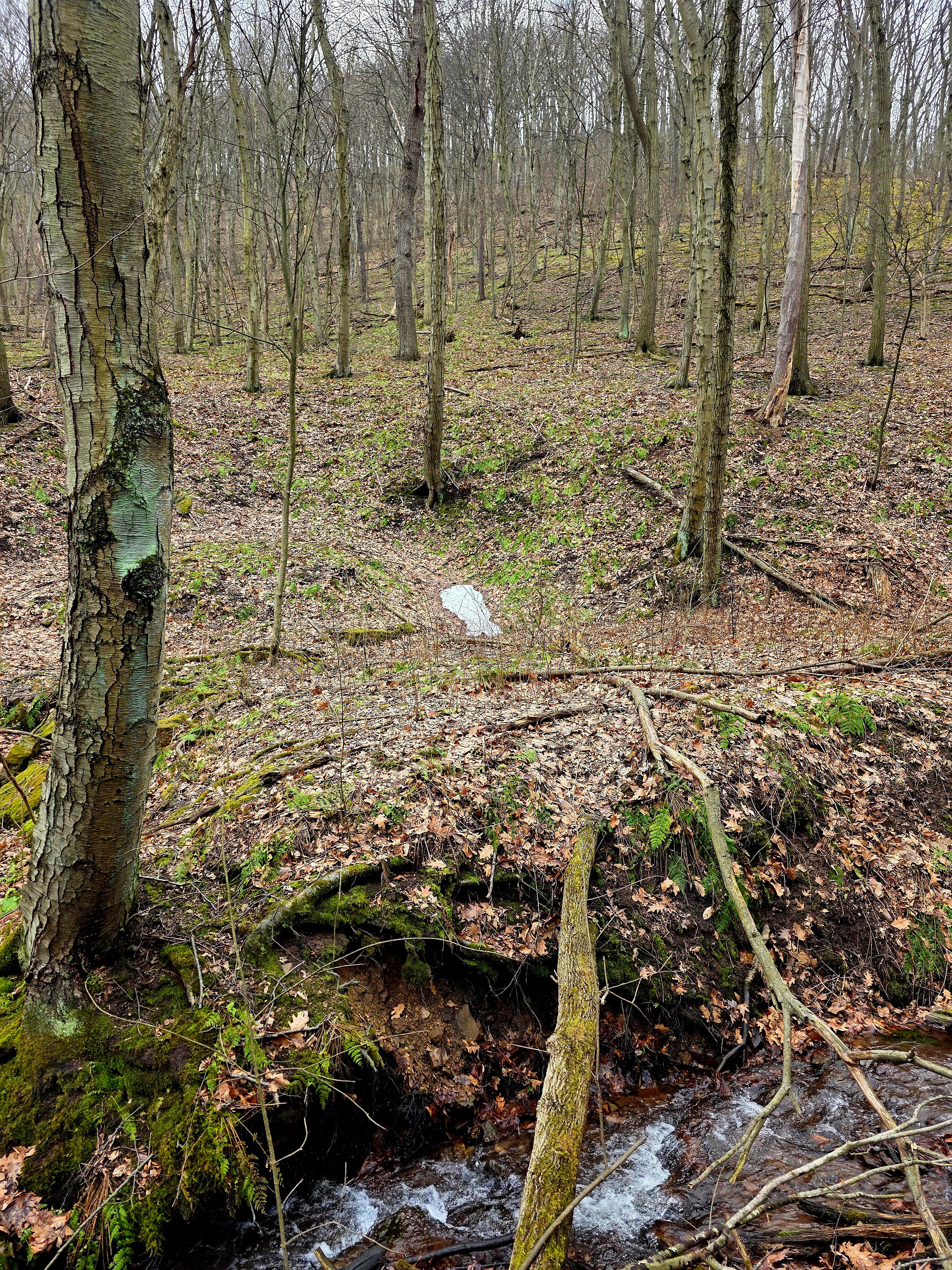
By the time I stumble back toward town and log a few Black Vulture overhead and a pair of Common Mergansers swimming fast down Bald Eagle Creek and then turning into the main river and downstream, the list is over 50, a new March record.
The first warm evening sees temperatures in the high 50s, so I sit out to witness the return to roost. Past seven, Turkey Vultures are still returning from the east to their roost on the west side of town; the last go by in the growing dusk of 7:15. Grackles mostly come back west in small flocks through the Gap between 7:05 and 7:15, over 80 in all. Once clear of the Gap, some turn north, others go overhead, and some turn west toward various roosting spots.
Robin duels start by 7:14 and last well past other species’ noise; it’s robins alone after 7:40, and who knows how long they go on under the street lights. All I know is that when I get up at 4 AM these days, they’re already yelling.
By 7:15 PM, the last starlings depart the tops of the aspens and sycamores and head south, while waterfowl come and go—Canada Geese, Mallards, Wood Ducks, and the usual unidentifiables. Perhaps aroused by sirens, a small brown bat oozes out of a gap in the kitchen crawl space and flutters toward the river; minutes later, a Big Brown Bat comes in overhead and takes up a looping flight pattern over Bald Eagle Creek in front of me, about 25 feet up. By 7:30, while robins and a few Song Sparrows are still active, a trio of small bats shows up, and a little black Capnia stonefly lands on my phone. I would guess that that’s what the bats are about.
Sunday morning, at 40 degrees, is cooler than yesterday, but it’s clearer as well, though there’s no breeze, yet (supposed to get to 80 today with violent storms and south winds!). Most of the birds that are supposed to sound off and fly over do so, leaving a balcony count of 32. The stars are a V of ten American Herring Gulls flying straight north and not far above the balcony. I scramble for my camera and snap photos in vain, as the shutter refuses to click. Only when they disappear serenely over the rooftops do I realize I have it on the wrong setting. This is the largest flock of the species (the largest and scarcest of our three expected gulls) ever; the previous record was a flock of six on March 14 two years ago.