Gripped
-birding below zero-

Cold plunge
Following a fairly brutal December, January came in like a lamb and stayed that way for several weeks. At a few points, temperatures climbed close to 50. All that ends on the 22nd, following a slushy snowfall. As a blizzard forms out on the Plains, northern air settles in, and it doesn’t reached as high as the 20s after that. The foot that comes down on the 25th submerges us all in Real Winter, and the only melting is the icicles and ice columns flowing down the sides of old, steam-heated apartment buildings like the one we inhabit.
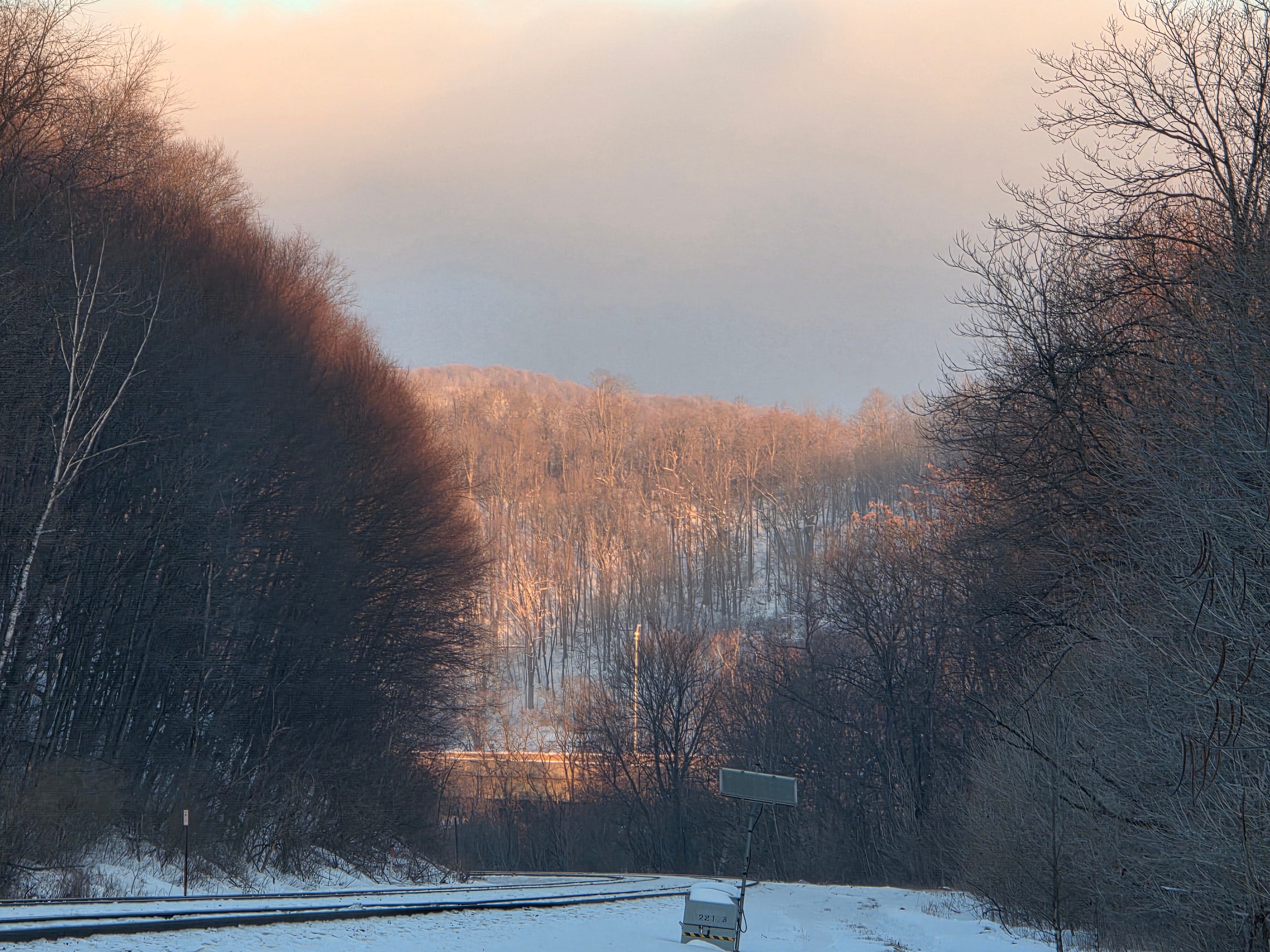
The crystal Saturday morning of the 30th may end up being the coldest of the year, at ‘teen degrees below zero Fahrenheit in the lowest-lying spots by the tracks just as the sun is rising.


Stirrings
By the 22nd, it seems as if European Starlings and American Crows might be spending less time in flocks and more time in pairs, but it’s really hard to tell. Starlings, sometimes by the hundreds, are finally feasting on the fruit trees downtown. Rock Pigeons, as usual, seem oblivious to the bitter cold and deep snow—if anything, they’re more active the colder it gets
There seems to a slight increase in House Finch song. Mom believes that they breed on their native Western time schedule and as a result will soon abandon her feeders and stay in town, where they belong, to begin the nesting season. I can hardly blame her for wanting them gone.


On the 30th, a Common Raven, one of this winter’s junkyard pair, hops about in the birch trees above the tracks at 14 below zero, largely oblivious to me. It’s carefully snapping off and gathering slender limbs for its nest. The pair’s home is in an inaccessible niche way up under the interstate overpass somewhere, well out of sight of any predators, including humans. Day by day, these two get louder and more obvious, playing up in the heavens in the coldest and harshest air, croaking about the highway roadkill, perched in the sycamore.
Getting by
I’ve not been out enough to see much evidence of the desperation that weeks of cold and deep snow bring as food sources and stores run low or empty. A photo of a Long-eared Owl in someone’s backyard in a town not far from here was rather striking—what must conditions be like in the woods for as cryptic a species as this to show up for urban feeder food (or so I would guess)?
Even the Carolina Wrens have it tough. They are barely vocalizing, no longer among the early risers, at least not audibly (only the Northern Cardinals, Dark-eyed Juncos, Song Sparrows, and White-throated Sparrows greet the dawn these days). At the end of the month, I spot one hopping about the bare Juniata Formation cliffs at the bridge, having been displaced for its usual haunts in the now-submerged brush piles.
Plowed and windswept areas are the place to go for the surface feeders. At dawn, juncos and cardinals alight on the tracks, and on the 31st, I continually flush a fivesome of ‘snowbirds’ up the Hollow across the bare-dirt patches.
Mostly, though, the woods birds that haven’t chickened out and gone to feeders are on the trunks (woodpeckers and Brown Creepers, all as vocal as ever) and in the canopy. Tulip-poplars, birches, and plenty of other trees still have tons of edibles for Black-capped Chickadee, Tufted Titmice, Golden-crowned Kinglets, American Goldfinches, and juncos. I’m guessing White-breasted Nuthatches are rapidly burning through their caches.
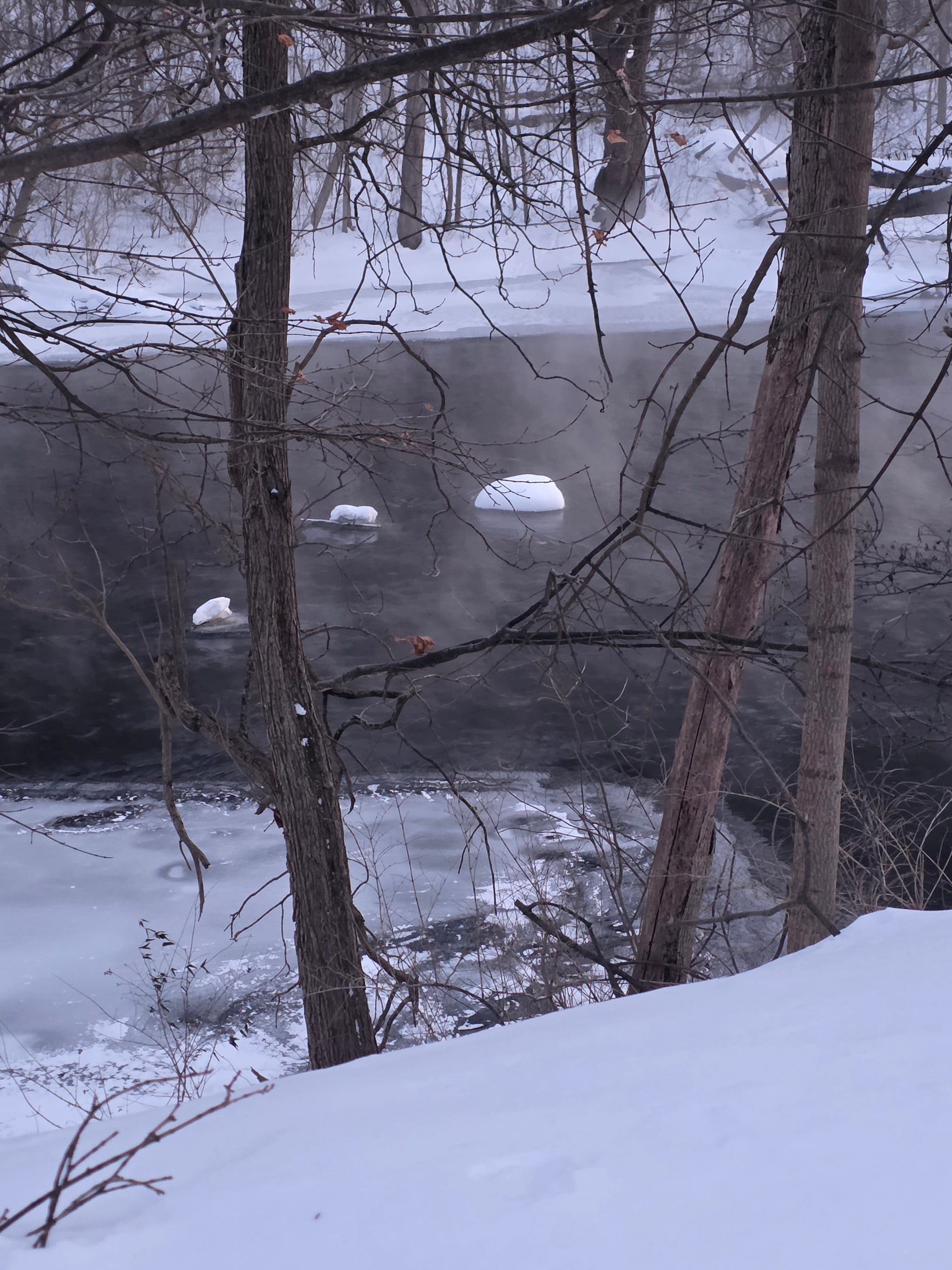
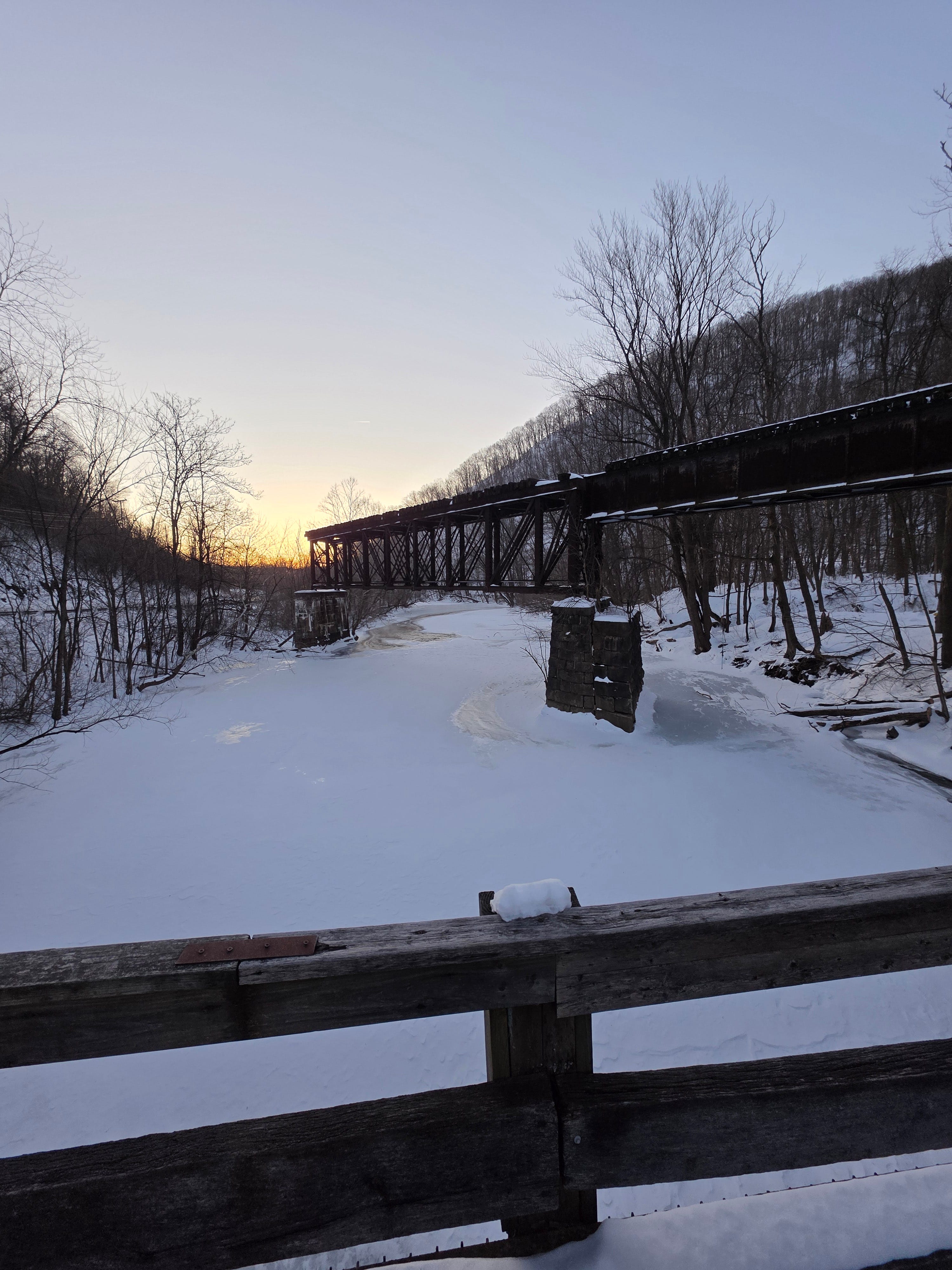
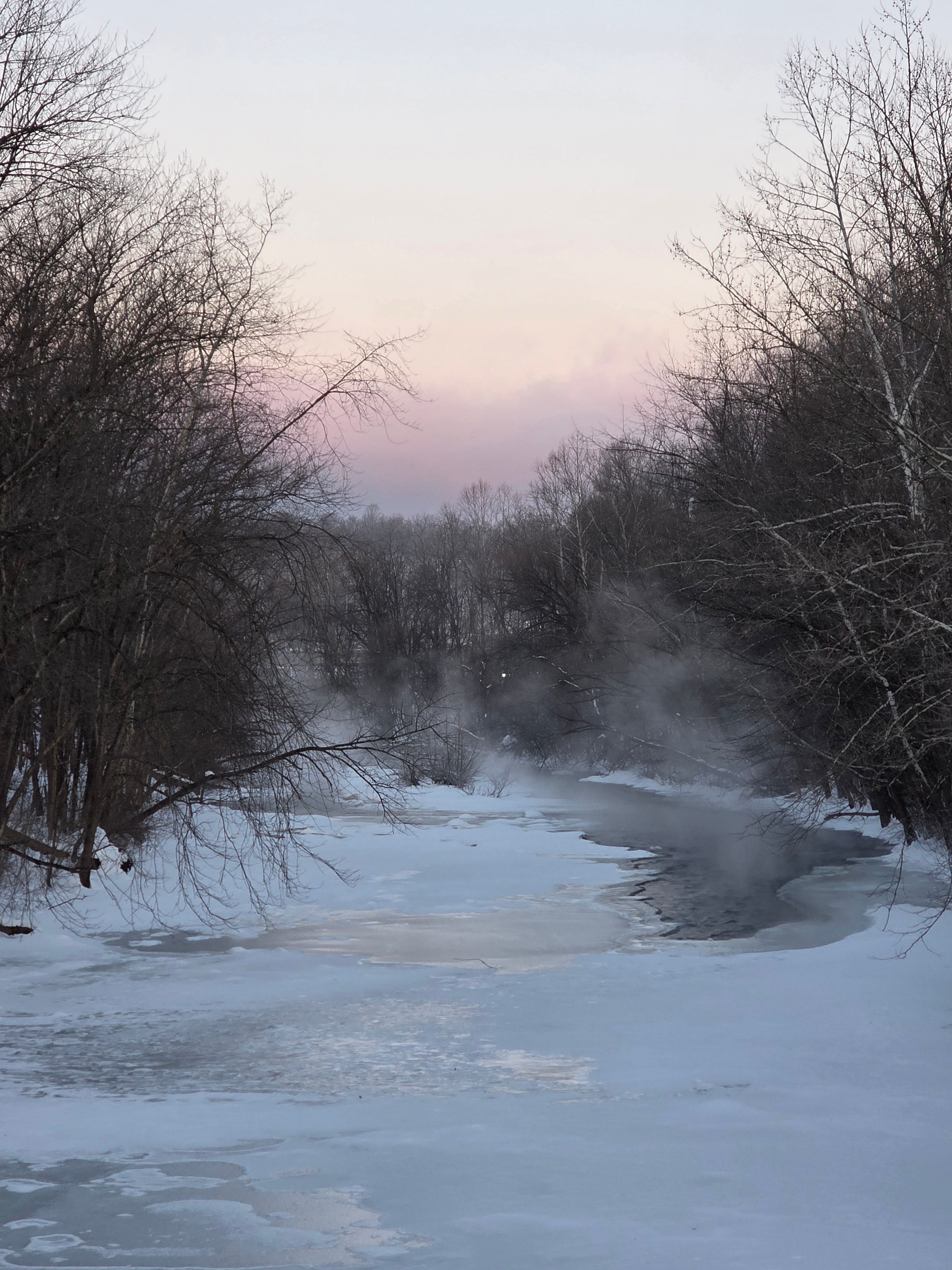
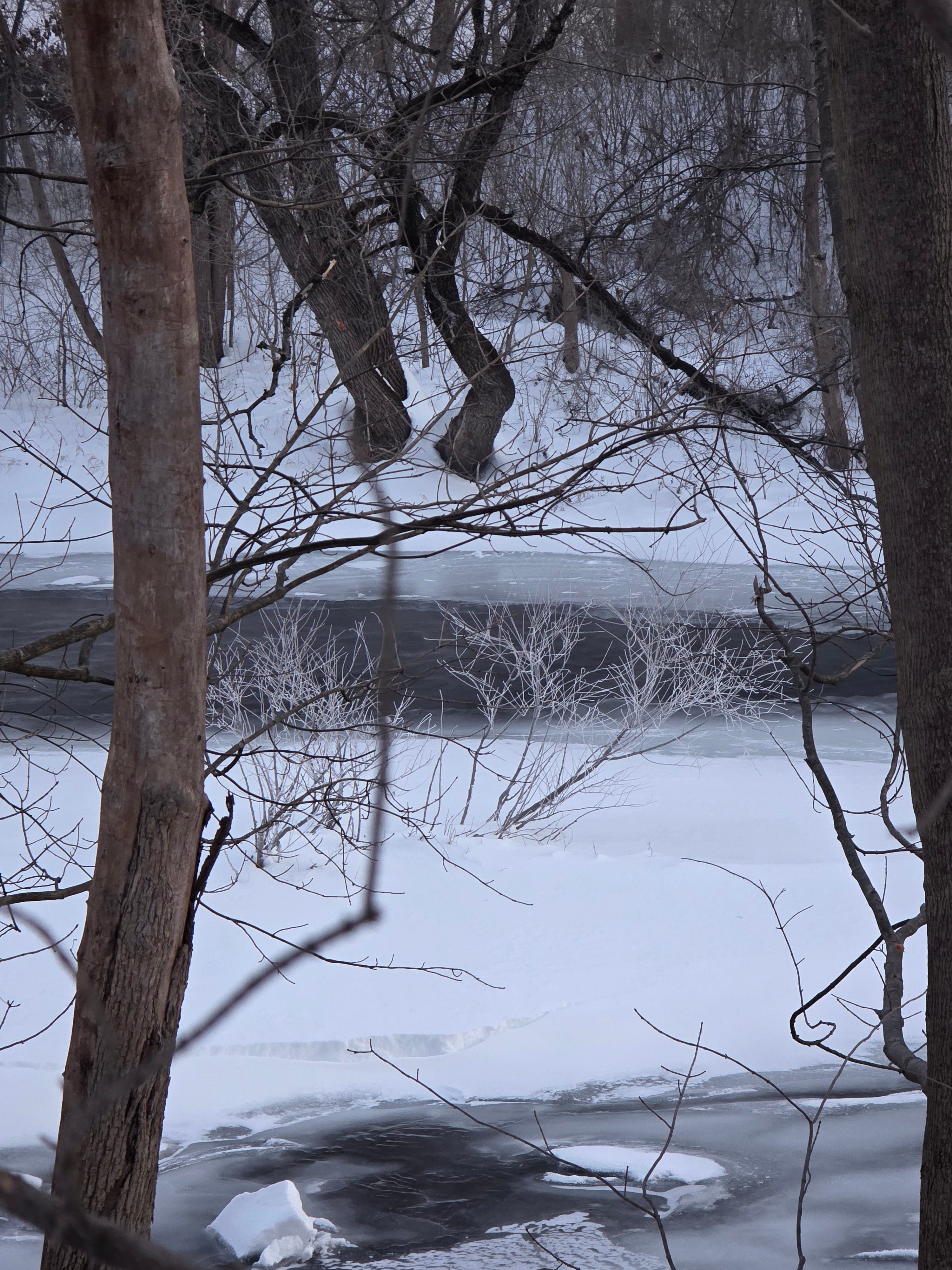
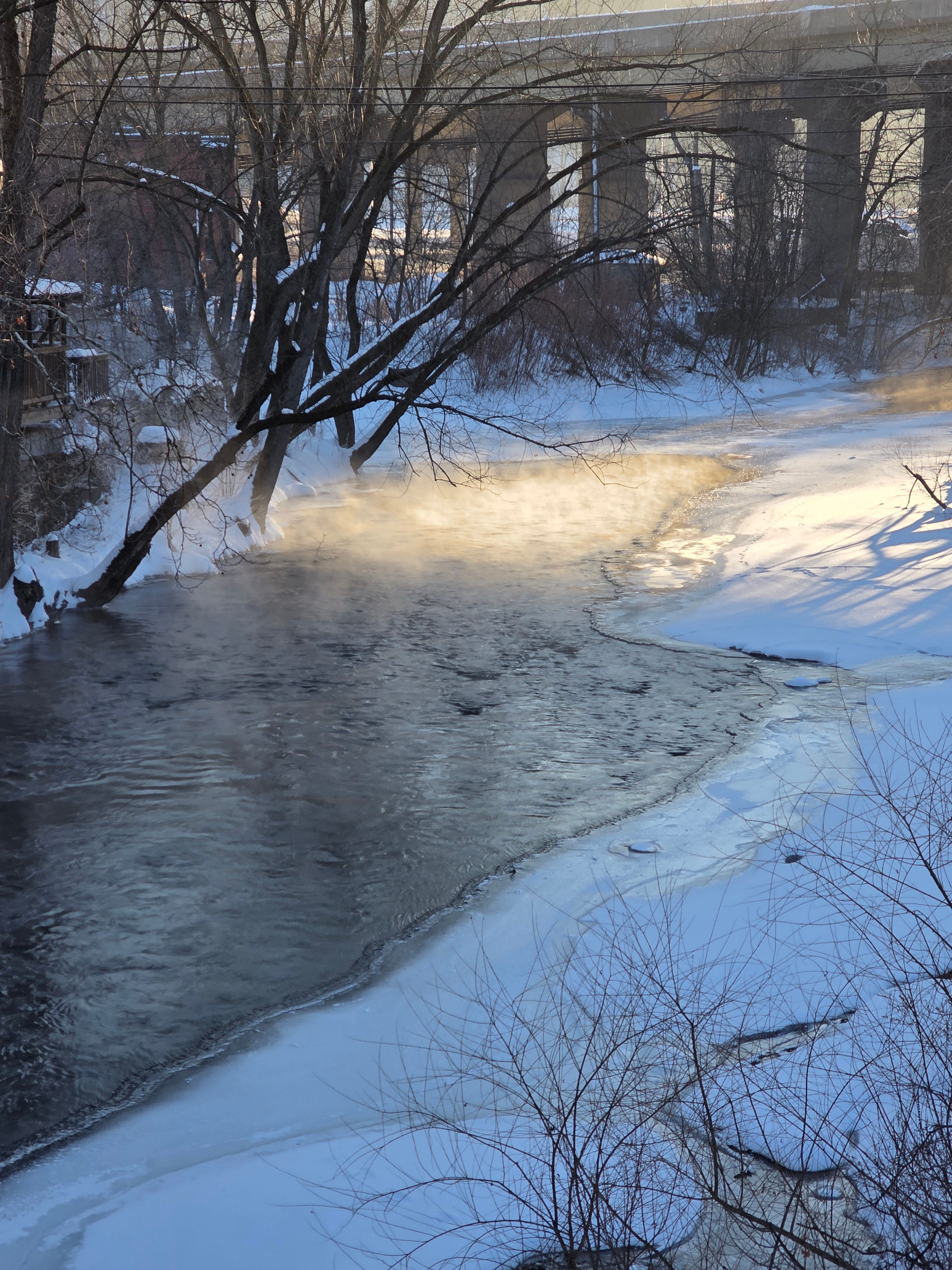
The river is still open, thanks to some meltwater and rains earlier in the month that raised it from drought levels. The black pools and narrow, straight stretches through rapids haven’t attracted any waterfowl, however, and even the wintering Mallards prefer to stay mostly in town, close by the banks in the long, open stretch around the Pennsylvania Avenue bridge. Meanwhile, mergansers and geese have gone missing.
Dave reported a Sharp-shinned Hawk in town at one point, and the day after the blizzard, around 9 AM, I watch a Cooper’s Hawk circling above the confluence not far from a swirling mass of starlings and House Sparrows. A Red-tailed Hawk comes and goes through the Gap on the Brush side most mornings, but otherwise, raptors seem to have withdrawn to more hospitable climes.
Imbolc update
On the first of February, with the temperature in the low single digits, I’m finally able to fully access the balcony for the first time since the blizzard. Yesterday, I was able to remove an icepack up to four inches thick that consisted of snow melted off the higher roofs. Once again, though no new birds. I have a hard time believing that the vultures who first show up around Groundhog Day will make an appearance tomorrow—I’ll give them a couple weeks until we get some genuinely warm thermals. But who knows—they never leave Nittany Valley in the winter, so maybe they’re operating on some clock independent of the weather.
Despite the dearth of waterfowl, the hotspot count stands at 51 species for the year, exactly the same as last year. I would suppose that February will bring in another 15 or so new species, and then the flood will beginning in March. By the end of March, we typically reach 100 species for the year.