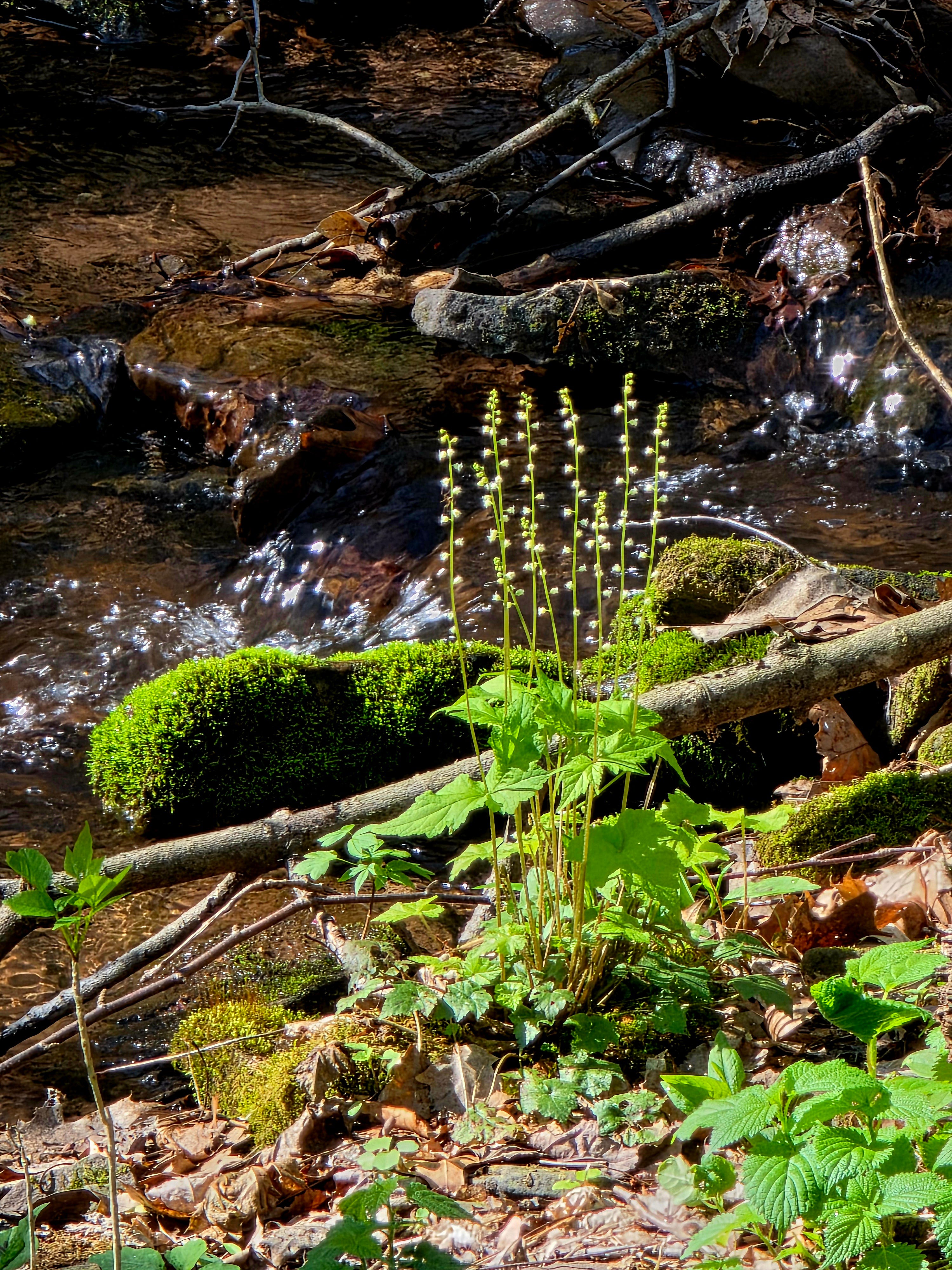
Fool's Summer

After a cursory April Fool’s Day balcony count, it’s off to the Happy Valley Intergalactic Airport for long flights to a 12-day working vacation in Mexico. Meanwhile, with some coaxing by Eric, the NFC set-up grinds on through the warmish nights and days.
Shrieks, squawks, tocks and tews: The passing of the Americans
On the first at 9:46 PM, an American Coot flies over, the first in two years. A few hours later, around 3:30 AM, a Long-tailed Duck flock. The 2026 100-species mark is reached the night of the 3rd and 4th—first up is an American Barn Owl at 9:42 PM, and then after 2 AM, the first American Bittern and American Pipit.
The next night, after 10 PM, the year’s second Green Heron screeches past, and the final Long-tailed Duck flock of the spring as well, ending a quite disappointing season.
The warm weather collapses into rain and fog, or so I’m told, by the 5th. After 1 AM, a Virginia Rail, and the nocturnal song of a Swamp Sparrow in flight. The next morning, Eric describes a couple dozen Northern Flickers in the fields and locust trees, an all-time high for the hotspot and county. Both Blue-gray Gnatcatchers and Ruby-crowned Kinglets are back, and I detect a Pine Warbler masquerading as a Palm Warbler in the recordings made by his PUC microphone.
The next afternoon, the PUC picks up an Orange-crowned Warbler’s 2-toned buzz at 2:40 PM, only the second spring record of this species, and the first from up on the mountain. At 4:08 PM, four ghostly, screech-owl like calls are actually the first recording we’ve gotten here of a Common Loon in flight. In Mom’s old journals, she noted hearing this sound overhead on a few occasions but never seeing the birds; she recognized it perfectly from the years we lived next to a loon-haunted lake in Maine. I regularly see loons from the balcony, but they’re too far away to hear; up on the mountain, they’re close to the ear but moving too fast to see from most vantage points.
(Speaking of loons, I missed a good Common Loon flight this year, but I’m eventually able to see a single Red-throated Loon speeding north around noon on the 17th, after I get back. The positive ID, separating it from the Common, is testimony to the wisdom of tightening my belt and picking up the new, high-power Leicas.)
Down, and then up
The following week sees a return to cooler temperatures, and the nights go blank except for the incessant trilling of philandering Field Sparrows. The migrant hordes mass to the south of us, awaiting the next warm winds.
The wave comes on the night of the 11th to 12th, when over a million birds cross the county, the biggest single night so far this year. Numbers peak around midnight, and the flocks are never more than 3,000 feet up, meaning many of the birds are within the range of detection for the NFC recorder.
Another barn owl migrates over at 5:23 AM on the 12th (you won’t see the checklist on eBird, as all records of this species are hidden to protect nests). Then, as promised, the night’s wave reveals hundreds of Hermit Thrushes and myriad sparrows forming the bulk of the vocalizing portion—endless Chippings, many Fields, building numbers of White-throateds, a major flight of Dark-eyed Juncos, at least half a dozen Grasshoppers, and a handful of Swamps and Savannahs. Gulls are also still moving in numbers, with flocks of Ring-billeds as early as 8:40 PM, a Bonaparte’s close to midnight, and an early morning American Herring Gull. American Bitterns, Green Herons, Great Blue Herons, Virginia Rails, all are in evidence.
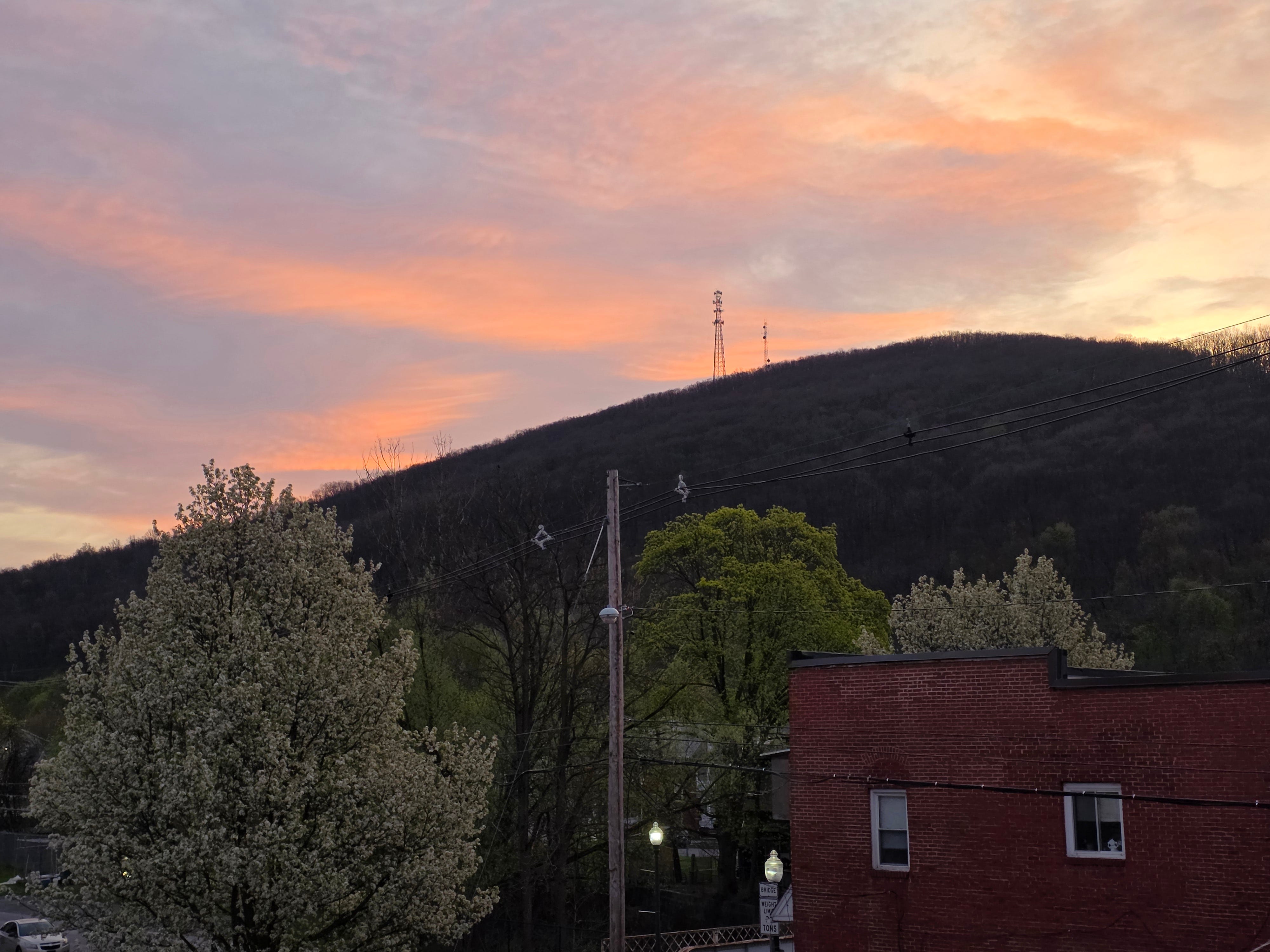
During the first few days back, after the night of a million, temperatures heat up rapidly into the 80s with high humidity, meaning leaf-out, bugs, warm night temperatures, and a chance at some early passerine migrants in the woods. I also try to get out to the balcony as often as possible to catch up on the common returnees better seen from down here than from up on top. A pair of Northern Rough-winged Swallows is back, paired, and vocal, but it looks like I’ve missed the bulk of the Broad-winged Hawks, as even in the best conditions I only glimpse one or two up in the clouds. A few species are already slipping away—Peregrine Falcon will have to wait for the fall (as it turns out, they weren’t anywhere to be seen in local hawk watches, either), and the best spring days for a float of cormorants are past as well.
Night movements are still consistent as long as the heat wave lasts. The outstanding event is the first spring passage of an Upland Sandpiper on the way from southern South America to the Arctic, its 4-note quiddyquit sounding overhead at 9:07 PM on the 13th. Virginia Rails are still going over, and, as isn’t unusual on warm spring night, an American Crow or two make a ruckus about something at 11:30 PM. The first Eastern Whip-poor-will sounds at 5:44 AM from the nearby ridgetop.
The early morning of the 15th reveals NFCs of a few Vesper Sparrows and a Black-and-white Warbler, both first records for 2026. That night, around 11:30 PM, a record third barn owl of the season shrieks as it hunts the field for ten to fifteen minutes, longer than I’ve ever recorded one here before. Still, it is just a migrant, not a resident, and I don’t know if it follows the ridgetop like some diurnal species do (doubtful) or, more likely, is stopping by for a quick hunt as it heads straight north across the ridges and valleys.
Later that same night, the Red-breasted Nuthatch migration proceeds apace, marked by nasal, 5-note yank sequences, while American Bitterns and Green Herons show up now and again. At 5:15 AM, the distinctive, downward-sloping NFC of a Palm Warbler, first of the year for a species we rarely see in spring.
In the daytime, the challenge is to intercept as many early migrants as possible before the inevitable cold stoppage occurs—predicted by Sunday the 19th.
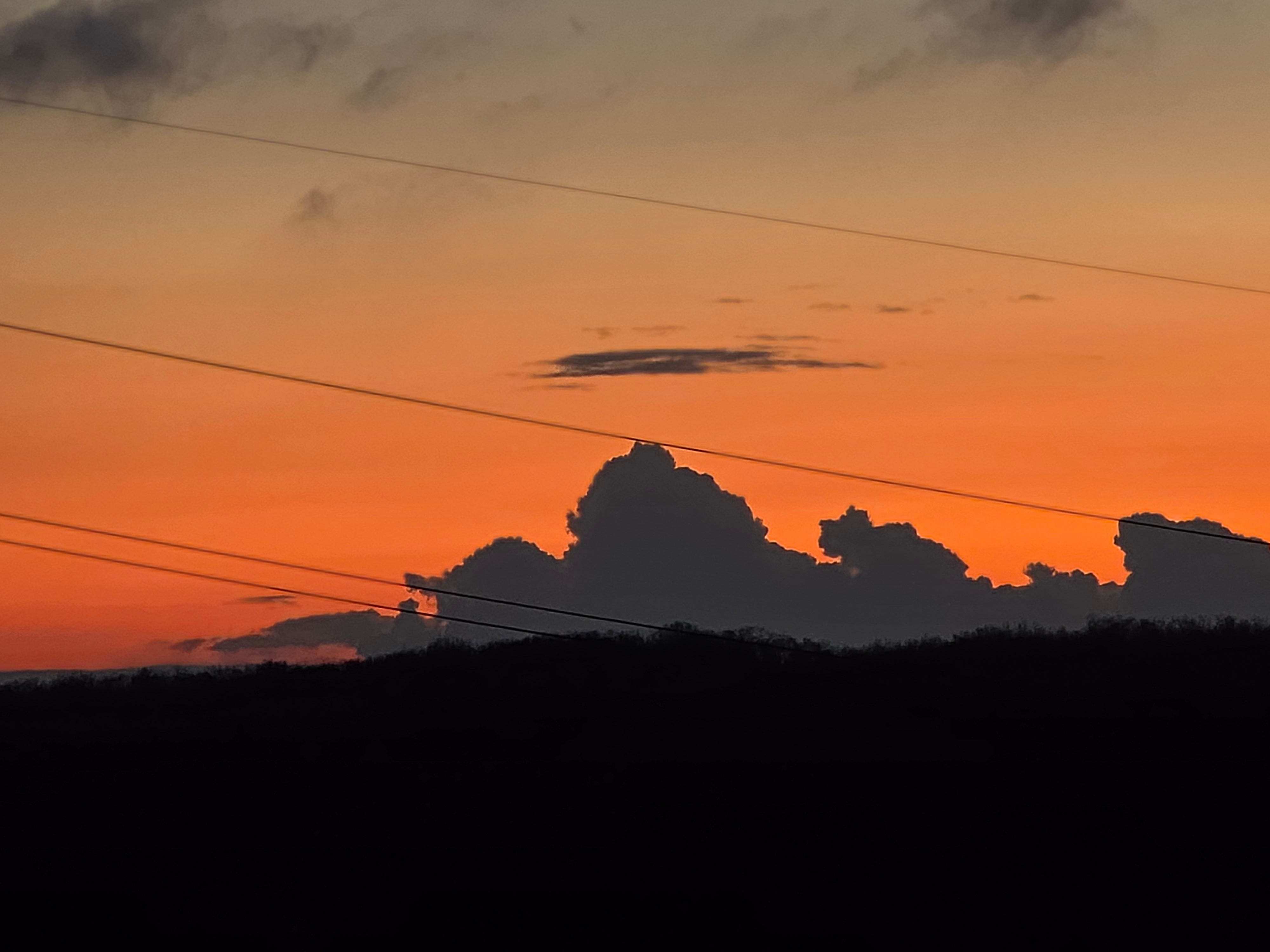
On Wednesday, I’m at the sweet spot in First Field before 6 AM to catch the chorus, a madness of whistling White-throated Sparrows and 30 other species, with a bonus pair of Wood Ducks fast and low overhead, presumably the ones that are either already nesting or hoping to up by the rapidly shrinking vernal ponds (what a year for this species - I’m also seeing flocks of up to five by the river!). Merlin picks up a Black-and-white Warbler, which seems very doubtful, but I soon hear it clearly; this is hours after the one that I later discover on the NFC recording. A Blackburnian Warbler is the next surprising newbie. A bit later, with dawn well under way, a Grasshopper Sparrow, well hidden, sings from somewhere near the powerline. If any year were going to yield the first visual record on the property of this common nocturnal flyover migrant it would be this one, but no luck today.
Cool and hot winds are mixing together and it becomes clear that Ruby-crowned Kinglets are at their peak. I head quickly back down along Greenbriar Trail, besieged by kinglets—at one point, six emerge from a nearby witch hazel and dart about my head like bugs.
They’re at all levels; the canopy is full of them, calling, singing, and in the short time I have I estimate at least 60, but I’m sure there are hundreds across the hotspot. Mindful not to blow out my knees, I move quickly across the upper ravines to intercept Grosbeak Trail, though it’s still at least a week before any expected warbler fallouts here. Nevertheless, early Black-throated Green Warblers and a Northern Parula are singing. Eventually, the cool winds win out and it starts to try to pour, then eases off, then blue sky and clouds, then more showers.
The next morning, the 16th, is a balcony pace after the gym. Already at 5 AM, while the woods are silent, the trees in town resound with Tufted Titmouse, Northern Cardinal, American Robin, and Song Sparrow noise, along with the gurgling of rough-winged swallows. But nothing is in the air until 6:18, when the first European Starlings arrive. At 6:20 AM, I’m concentrating hard on the potential arrival of Chimney Swifts—they definitely weren’t here yesterday, so they should have come back overnight. Not two seconds after that thought, the first chittering over the rooftops!
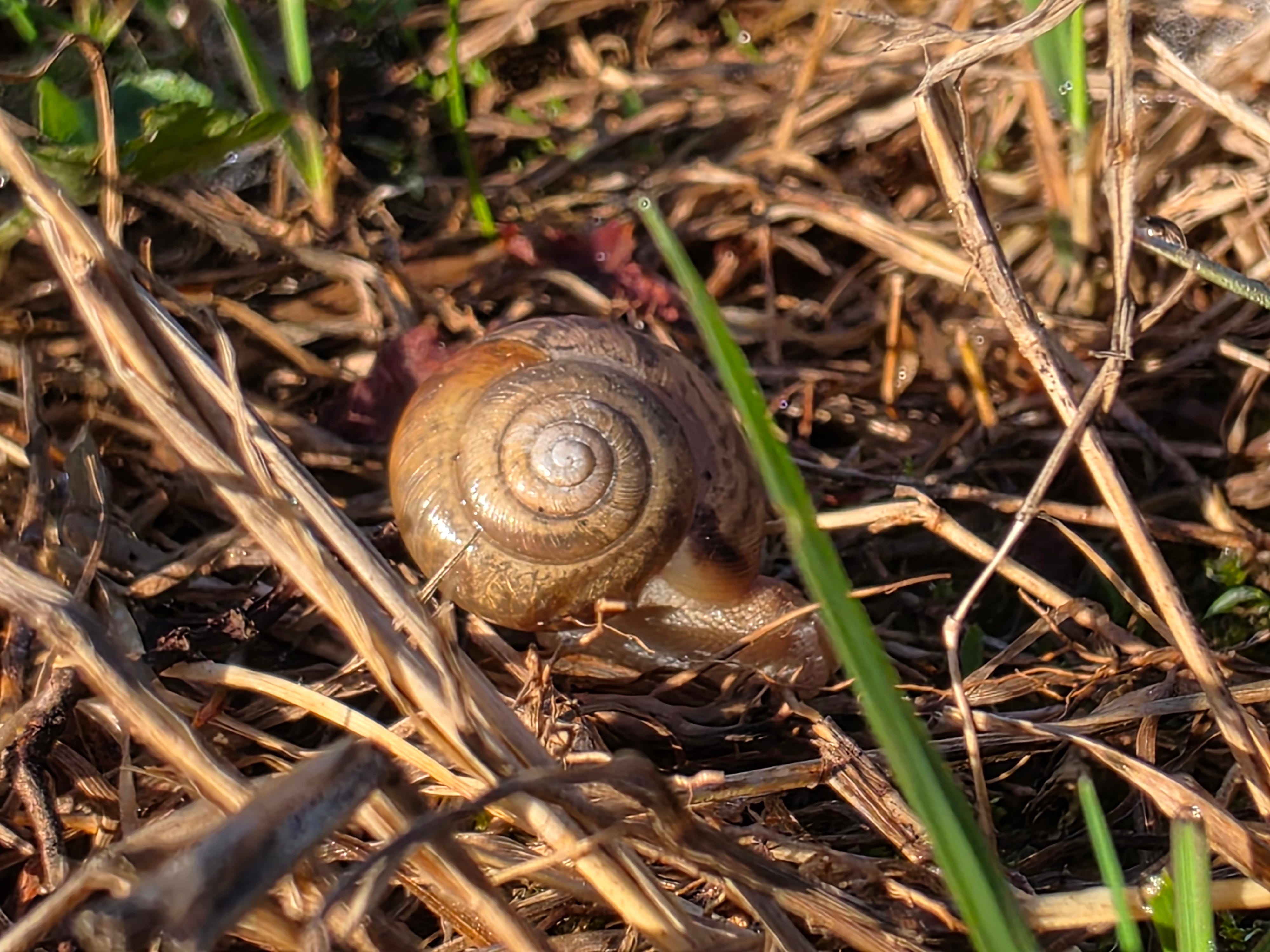
And then comes Saturday and the very first knife-edge scramble of the season. It’s already cooling down, but records from about the county yesterday suggested we’re still missing a few early arrivals in Plummer’s Hollow. At the gate, by 5:40 AM, a Wood Thrush calls and then sings, seemingly another premature species staking out one of the best territories. By the time I get up to Warbler Knoll, the Brown-headed Cowbirds are all about, and Eastern Towhees, of which I will eventually record over 100, are in full swing. No warblers, however—it’s still a week too early for the masses. Nevertheless, I continue through a somewhat subdued but brilliantly sunny woods in the mid-40s, but other than a flock of Purple Finches, an unusually common migrant this year, the species are only as expected. The Northern House Wren that was here at the beginning of the heat wave is gone, replaced by Winter Wrens.
This changes when I hit First Field, where deep in the Field Sparrow chorus welling up from all sides is one loud, insistent Common Yellowthroat. Farther on, I can no longer ignore Merlin’s false-positive Red-eyed Vireo when a bona fide member of this species sings by the powerline, in tandem with a Blue-headed Vireo farther away. A Yellow-throated Warbler sings, invisibly far away in a group of excited Yellow-rumped Warblers, which are having a banner spring and are by far the most common early warbler this year. Black-throated-greens and Black-and-whites are building in numbers, but the biggest surprise is an early Hooded Warbler singing from deep in the spruce grove.
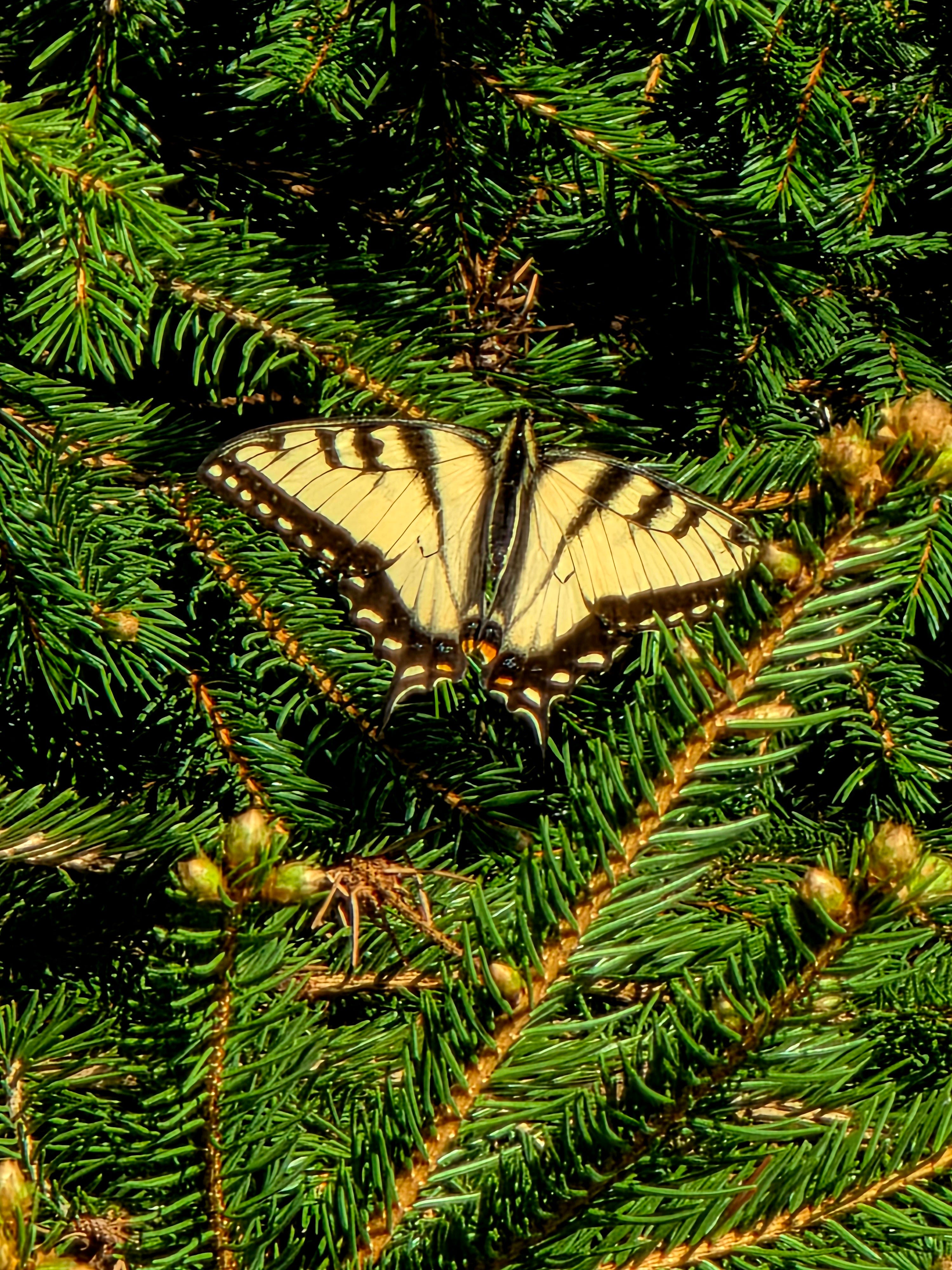
Meanwhile, Blue Jay migration northward along the ridge is in full swing, and flickers haven’t abated since Eric’s peak. Dozens are still about, including one tree with five: one, seemingly a male, displaying to four females. It’s that time of year already where the amount of bird noise is almost headache-inducing, and my brain rings with it all for the rest of the day. Flickers are probably the biggest culprit, along with White-breasted Nuthatches, not to mention woodpecker drummings on dozens of registers.
As expected, the later hour and sparser habitat bring a lull as I leave the spruce grove and head to Far Field. A final surprise is the hesitant song of the first Scarlet Tanager.
By the end of the heat wave, Blair County’s 2026 numbers have put it at fifth place statewide, doubtlessly the most rarified air for our somewhat obscure 1/67th corner of the state. An NFC Ovenbird flight on the night of the 17th (not seen or heard in the woods the next day, but still valid) pulls Plummer’s Hollow into third place among Pennsylvania hotspots, wit over 130 speciew for the year.
My impression of many all-time early records was on the mark. April’s unusual second heat wave lured victims too far north a week ahead of schedule. Ovenbirds are nine days ahead of the previous early date of the 26th, from last year. Scarlet Tanagers are six days ahead of last year’s all-time early record. The Red-eyed Vireo is also six days earlier than previous records set in 2022 and 2025, and Northern Parula is four days ahead of 2025, though the one I got on the 15th did not apparently stick around. Black-throated Green Warblers returned to territories one day earlier than the previous all-time early date, while Black-and-white tied for the earliest date with 2002, and Wood Thrush also tied, with 2024.
Both Hooded and Blackburnian warblers were first-in-state this year, with the Hooded the earliest ever by three days, and the Blackburnian by two days. Of all the returnees during Fool’s Summer, only the Common Yellowthroat on the 18th did not set a record; its all-time earliest arrival was the 15th of April 2023.
All in all, the combined arrival of those ten species averaged 3.4 days earlier than the previous all-time early arrival dates.

The Killer
Unwitting fools we are, like the birds, placing our hopes in false summers with death close behind and all around. As I write this, the temperature sits at 24 degrees and clear, and the windshields are heavily frosted. Oaks, already in flower, will pay the price, though we won’t know the precise cost for months to come, I would guess. In the next day or two I’ll head back up the knife-edge to intercept the next warbler wave which will bring orioles, buntings, and new vireos along as well, with new thrushes, cuckoos, and flycatchers by the end of the month. More unseasonable warmth, we’re told, is on tap, but it’s hard to know these days what’s seasonable.