
2025 Highlights
--birds (and Balkans)--

Before we do the greatest hits of Plummer’s Hollow for last year, here’s a link to my Balkans travelogue posts at The Pennsyltucky Geographer, a quasi-prestigious unacademic blog with suspiciously close connections to Bird Mountain:
The Year in Birds
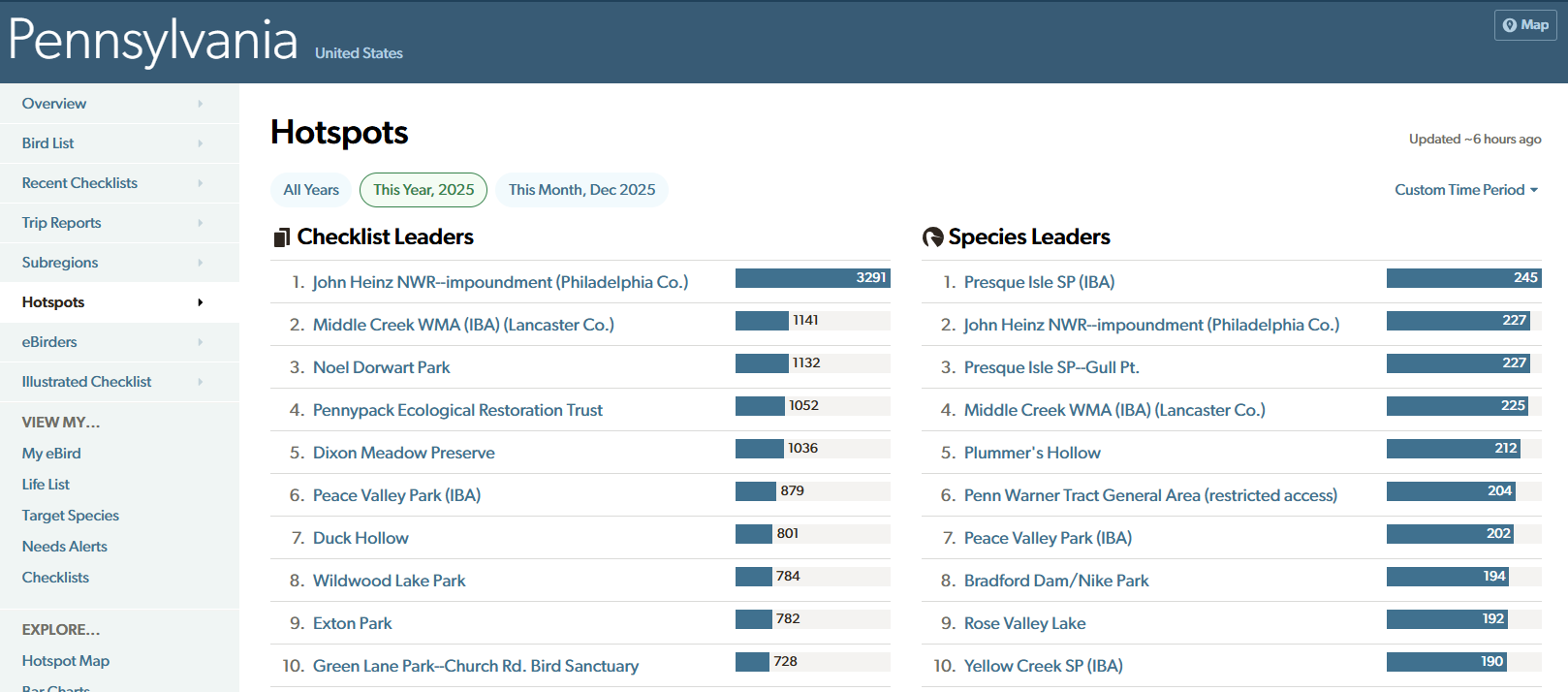
Plummer’s Hollow in 2025 once again attained the fourth-highest total among Pennsylvania hotspots, after Presque Isle, Middle Creek, and John Heinz. Our visible total was 212 species, but including two hidden species (Barn Owl and American Goshawk), we reached 214, 10 higher than the previous record. This suggests that with more consistent monitoring (e.g., more eyes, better optics, more functional NFC nights, more feeding stations, more specialized habitat, etc.), we might eventually attain 225 species or more in a calendar year.
Though the fall high season was missed due to Balkans travel, Plummer’s Hollow still managed to log Pennsylvania 2025 high counts of 12 species: Rose-breasted Grosbeak (40 on 9/20), Swainson’s Thrush (800 on 9/16), House Finch (191 on 8/26), Acadian Flycatcher (21 on 7/16), Wood Thrush (56 on 7/16), Eastern Wood-Pewee (26 on 6/7), Tennessee Warbler (40 on 5/8), Scarlet Tanager (34 on 5/8), Black-and-white Warbler (24 on 5/5), Worm-eating Warbler (26 on 4/29), Eastern Towhee (78 on 4/18), Winter Wren (12 on 3/30).
At the county level, the sole Blair County first in the hotspot was Yellow-crowned Night Heron (5/5). For species with two or more individuals reported, 2025 saw 18 county high count for Plummer’s Hollow.
The hotspot itself had 34 all-time species high counts in 2025. This is largely reflective of refined methods by which I am increasingly able, as more data are generated, to target certain weather conditions, locations, dates, NFC and early-morning audio clues, and times of day to maximize diurnal counts. This was the reason, for example, that Wood Thrushes were counted in extremely high numbers in the Hollow during molt-migration in mid-July.
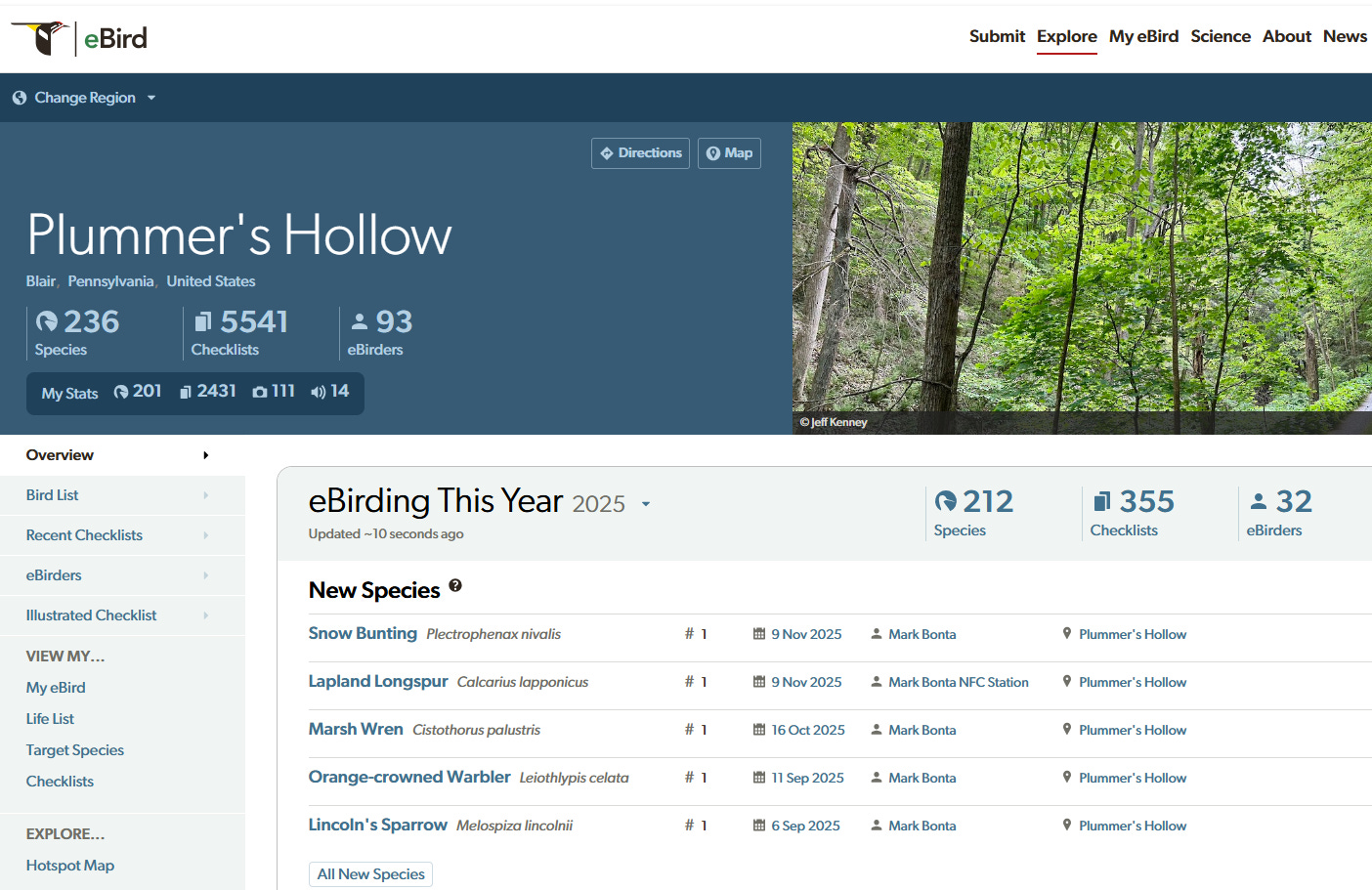
Thirty-two eBirders accessed Plummer’s Hollow in 2025, including folks on field trips, birders passing through, and a small number of local birders who tramp the hotspot for chances at rare warblers and the like. In general, the public are limited to the walkable road up the Hollow, but members of the Friends of Plummer’s Hollow are also able to request access to the best birding spots up in the far reaches of Sapsucker Ridge and beyond.
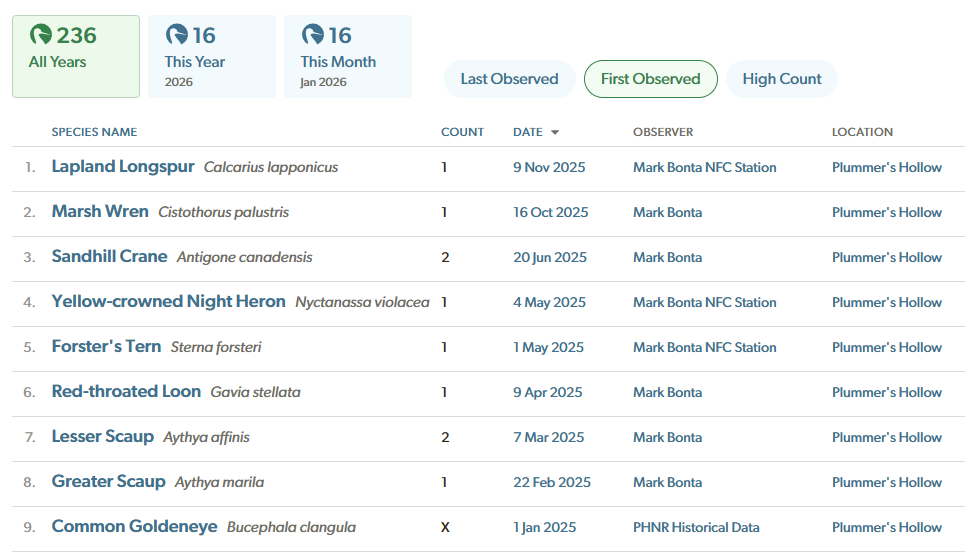
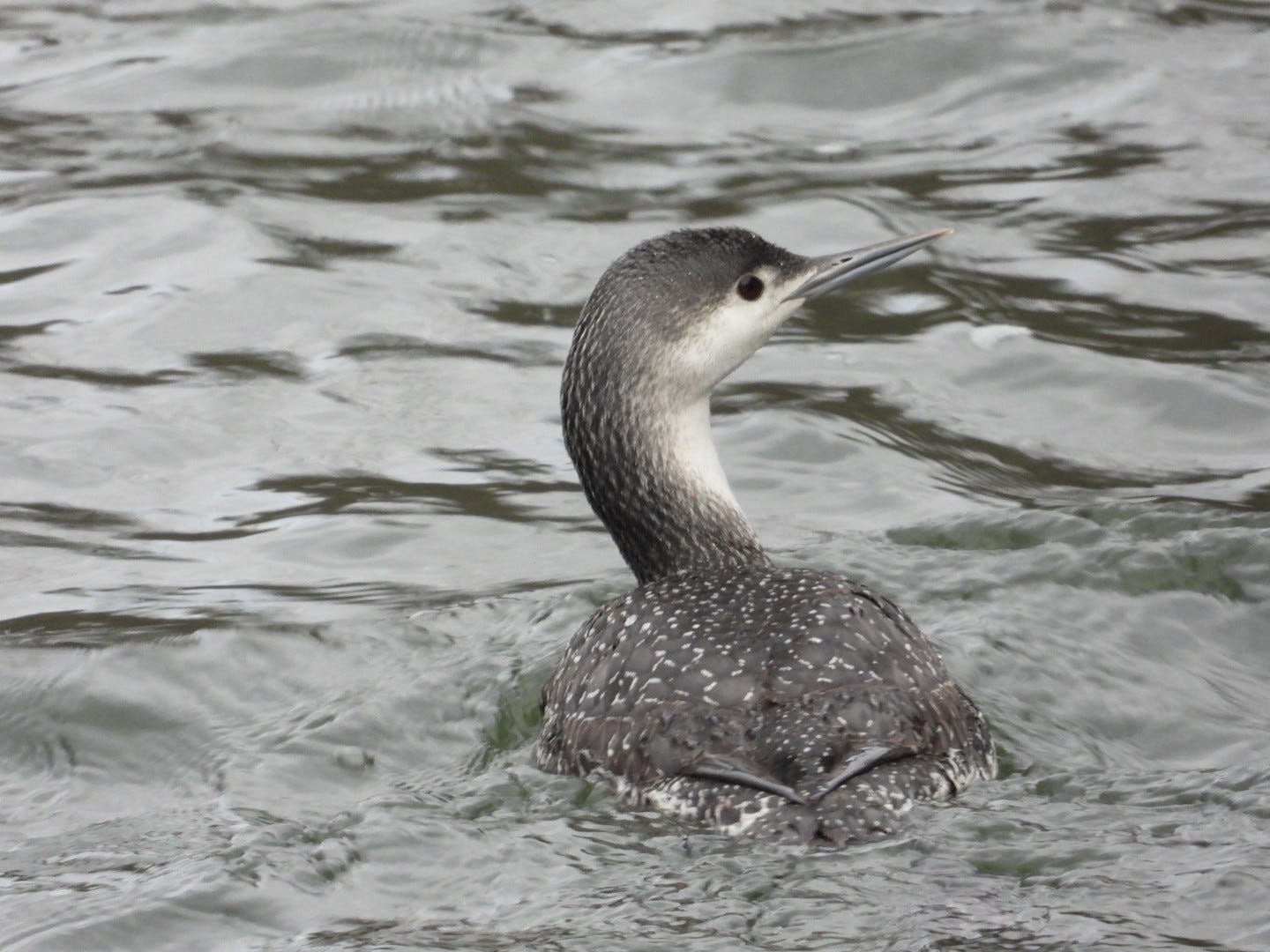
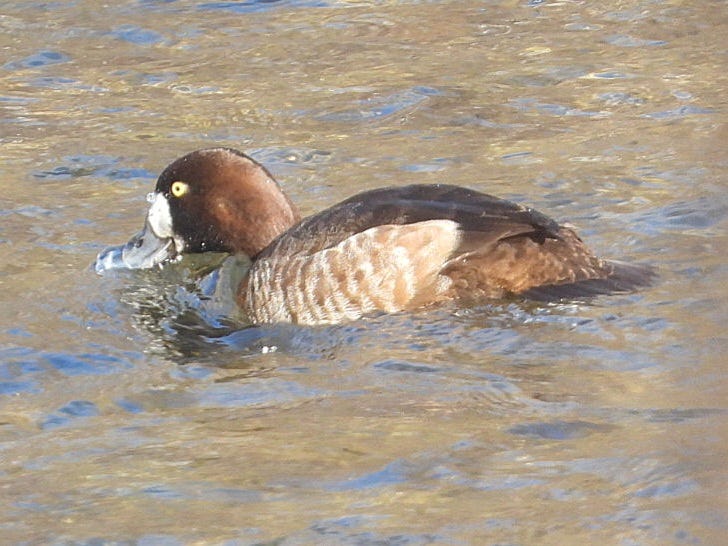
We are still adding species to the all-time Plummer’s Hollow list: last year, the nine new ones were Common Goldeneye (wing whistles at night, beginning Jan 1), Greater Scaup (one in the river Feb 22), Lesser Scaup (two in the river Mar 7), Red-throated Loon (one in flight Apr 9, and one in the river Apr 13), Forster’s Tern (one via NFC May 1), Yellow-crowned Night Heron (one via NFC May 4), Sandhill Crane (two at edge of Sinking Valley Jun 20), Marsh Wren (one in field wetland Oct 16), and Lapland Longspur (one via NFC Nov 9).
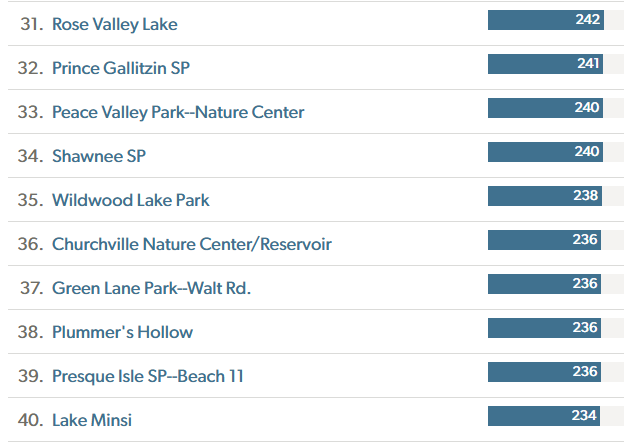
These additions put the all-time hotspot species ranking in a four-way tie for 36th place in Pennsylvania. Suffice it to say that we still have years to go to crack the Top 20!
Notable Misses
It’s worthwhile to talk a little about the 14 species we missed from among the 228 that have been recorded at some point in the last five years (last year recorded in parentheses):
Waterfowl. Ring-necked Duck (2023, sole record), Bufflehead (2024). Ducks are always hit and miss due to insufficient habitat; we were lucky to get as many others as we did.
Shorebirds and other water birds. American Golden-Plover (2023, sole record), Whimbrel (2023, sole records), Short-billed Dowitcher (2023, sole record), Willet (2024, sole record), Ruddy Turnstone (2023, sole record), Red Knot (2024, sole record), American Coot (2024), Common Tern (2022). Most of these would likely have been picked up via NFC, but several weeks of prime recording time were missed.
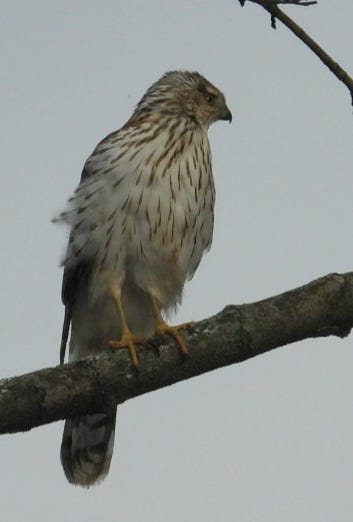
Raptors. Rough-legged Hawk (2024), Swallow-tailed Kite (2022). RLHA moved into the area at the very end of 2025, but insufficient time was available to see if it hunted anywhere within in the hotspot. STKI was not expected.
Passerines. Evening Grosbeak (2022), Red Crossbill (2024), Henslow’s Sparrow (2023, sole record). A few fall EVGRs were reported at feeders in the area; RECR numbers across the state were lower than the previous year; HESP is not a reliable yearly NFC species.
The following were also missed (last recorded year in parentheses): Redpoll (2020), Pied-billed Grebe (2020, only record[!]), Northern Shrike (2020), White-winged Crossbill (2013), Long-eared Owl (2000), Pine Grosbeak (1989, 1 record), Summer Tanager (1987, 1 record), Ruddy Duck (1979, 1 record).


New Species to Expect
Based on recent trends, local reports, and improvements in monitoring techniques, the following species are those most likely to be detected in the near future: Black-bellied Whistling-Duck, Greater White-fronted Goose, Brant, Cackling Goose, Canvasback, Redhead, Surf Scoter, Black Scoter, American Avocet, Stilt Sandpiper, Sanderling, Black Tern, Red-necked Grebe, Little Blue Heron, Snowy Egret, American White Pelican, Short-eared Owl, Nelson’s Sparrow, Prothonotary Warbler, Swainson’s Warbler, Blue Grosbeak. All but the latter five are expected solely as flyovers, several only via NFC and others only via sighting.
The Most Notable Hits
Snow Goose. Flock of 200 hung around northern part of the county Nov 30/Dec 1 - first winter date, and by far highest number ever (here and in county).
White-winged Scoter. One seen in AM flight mid-Apr; second ever and first since 1979.
Common Gallinule. Mid-Apr NFCs; becoming an annual species.
Black-bellied Plover. First spring record (late May, NFC).
Upland Sandpiper. Now predictably regular via NFC (late Jul-late Aug).
Caspian Tern. First sight record (late Apr), plus NFC then and first NFC for fall (late Aug).
Least Bittern. Multiple NFCs from late Apr to early Jun, and even in late Aug.
American Goshawk. First sighting, of a passage migrant (Apr), since 1991.
Northern Saw-whet Owl. First-ever deep winter record (Jan, heard). Is it a winter resident?
Olive-sided Flycatcher. Three records, including first-ever in fall (late Aug). First in several years.
Snow Bunting. Becoming regular early-morning NFC and flyover in early Nov; no definitive evidence of habitat use yet, often found in nearby Sinking Valley.
Clay-colored Sparrow. Second-ever report (first was 2024); early May.
Yellow-breasted Chat. Multiple reports from early May to mid-July, following first report since 1996, of lone individual, in May 2024. In 2025, two were heard in breeding habitat well into the summer.
Golden-winged Warbler. One seen late Aug in mixed flock; now the rarest semi-regular warbler (missed 2024).
Other Notable Notes
Periods missed. I need to get a computer with more memory. This year’s machine crashed multiple times, which resulted in data loss for several critical weeks in both spring and fall. In addition, multi-day data gathering gaps occurred due to trips to Mexico (Mar), Honduras (early Aug, not so critical), and the Balkans (Sep 26-Oct 12, resulting in lack of adequate high numbers and late date counts for species such as Lincoln’s Sparrow.
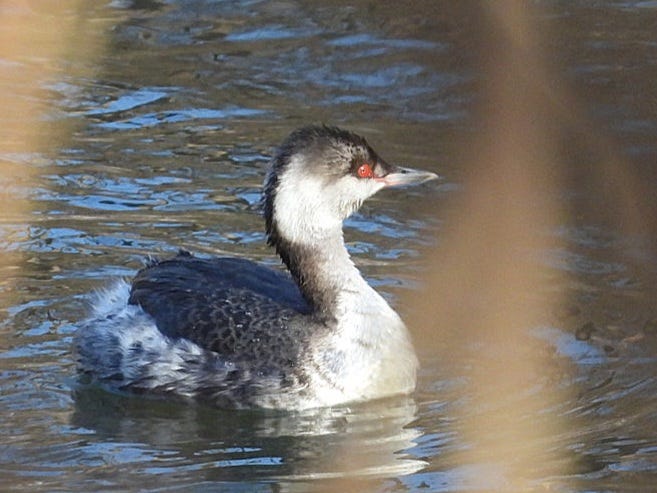
Waterfowl from boom to bust. Decent in winter, high in the spring, and low in the fall. The deep freeze in Jan pushed some hotspot rarities to the Little Juniata in Jan and Feb (Hooded Merganser, Horned Grebe, Greater Scaup). In Apr, harsh weather forced down waterfowl for several days across the region, resulting in a few visible flyovers of hotspot rarities, and a close view of a Red-throated Loon at the bridge. The protracted fall drought left us without any reports of most non-Mallard ducks save a lone Gadwall NFC and a trickle of Common Mergansers.
Late summer/early fall cold spells. Two distinct periods of cold weather revealed fall migrants whose NFCs are otherwise not detectable due to katydid noise. With that impediment removed for several nights, Sora, Least Bittern, Caspian Tern, Bobolink, Upland Sandpiper, Lesser Yellowlegs, and several others were recorded, contributing to improved understanding of their fall migratory patterns.
Scarce shorebirds. Summer drought might have been the main culprit for the overall lack of rarities during the Jul-Aug period and perhaps into the fall as well. Least Sandpiper was the exception, with the latest-ever report consisting of NFCs of one or more individuals on Oct 13. For the first year since NFCs began, no new shorebird species was added to the all-time list, another indicator of a mediocre year; of the species that were recorded, even the most common ones, such as Spotted Sandpiper, were nowhere near as frequent on the NFC tape as they have been in previous years.
Breeding grouse. Ruffed Grouse decisively returned to the mountain in 2025, and young were seen into the summer. However, no grouse at all were seen after early Aug, which may be due to natural predation.
Red-headed Woodpeckers take up residence. Like grouse, this species seemed to be making a spectacular comeback in 2025, or even more than a comeback. A pair wintered at the Far Field, and others were seen regularly all along Sapsucker Ridge. These were all presumably overflow from the now-numerous breeding pairs along the base of Brush Mt in Sinking Valley (most are on private lands and go unreported, but public locations such as Fort Roberdeau turn up multiple individuals throughout the year). However, the Far Field pair never did breed, and the last report of the species in the hotspot was the end of Oct.
Yellow-bellied Flycatcher becomes a regular migrant. The hotspot seems to have perfect habitat for this transient, though individuals don’t seem to stick around for more than a day. Despite its rather cryptic behavior (lush understory, calls rarely), it is more or less regular via NFC in the late spring. In addition, it seems to be regular in the early fall—in 2025, I heard and saw one giving the chelec vocalization on Sep 6 at dawn; I was glad to learn that this species vocalizes in the autumn, as the more common Alder and Willow seem not to, and thus we have no records for either during that period.
Rare but regular warblers and vireos. Kentucky and Mourning warblers are now easily detectable in spring, and the latter in early fall as well. Kentucky Warbler once again did not breed this year, but one did sing during fall migration in late Aug, the first fall record in many years. Orange-crowned and Prairie warblers were found once each, and only in the early fall. Blue-winged Warbler was found only in early May, and not in the fall. Connecticut Warbler was regular in the goldenrod field edges throughout Sept. Philadelphia Vireo was detectable, barely, in the spring; in the fall it was found at least once a week over a month starting in late Aug. In spring, White-eyed Vireo was detected only in its narrow early May window, but I saw a pair at close range in late Oct, the latest ever date and only second fall report.
Bittern and heron bonanza. Not only are American Bitterns now regulars during spring migration (via NFC) over a month starting in mid-Apr, they are also showing up in fall migration, from late Aug well into Sep. In 2025, I had the first visual of the species in the hotspot, when four took off on the evening of Apr 30 from a wetland around Tyrone. As for Least Bittern, in addition to the late Aug report, the species showed up via NFCs over five weeks from late Apr to early Jun! The biggest find of the year was doubtless our first Yellow-crowned Night Heron on the night of May 4 (NFC); that same night, my NFC microphone and Eric Oliver’s PUC (a quarter-mile distant) picked up the same loud Black-crowned Night Heron as well.
All-time high numbers.
Low raptor counts. This was due solely to lack of effort. The nature of my work in 2025 didn’t allow extended observation periods after 9 AM during spring or fall, so adequate hawk and eagle counts were essentially non-existent.
Dedicated birders. A shout-out to Dave and Marcia Bonta as well as Eric Oliver. All three reside up on the mountain and contribute many valuable reports to the hotspot; I usually log them under the PHNR Historical Data account. Eric’s PUC can be viewed live at https://app.birdweather.com/data > Stations > Eric PUC #3 (and is online most of the time). Its most notable 2025 catch was the first Common Goldeneye on New Year’s. Another valuable contributor to Plummer’s Hollow data in 2025 (and PA breeding bird data) was Connor Schmidt, who hiked up multiple times for the warblers. We were also happy to host a State College Bird Club visit in May.
For a deep dive into 2025, you can of course consult the Plummer’s Hollow eBird hotspot homepage, now graced with a photo by Jeff Kenney.
What’s Next
As soon as funds allow, I plan to order a new NFC microphone and a laptop with more RAM for more consistent and higher quality recording, still from the same spot on the garage roof. The season will hopefully run uninterrupted from the end of February to the beginning of December (if I can get some better heating).
The annual Birding Festival of the Pennsylvania Society for Ornithology will happen in Altoona over Juneteenth weekend. I’ll be leading Saturday and Sunday morning field trips in the hotspot, focused on this festival’s symbol, the Worm-eating Warbler, and whatever other breeding species we can turn up.
I’m hoping for another deep freeze and more spring fallouts to improve our waterfall numbers, but I’m also set on acquiring higher-power binoculars to better monitor the northward-moving early morning waterfowl migration in March and April.
We are in the slow process of flattening and mudding a part of the field in hopes of attracting a few of the many shorebird and waterfowl flyovers to stop by, if only for a few minutes.
As I did in 2025, I will provide updates as I am able—ambitiously, once a week, but more realistically, a couple times a month.
June Breeders
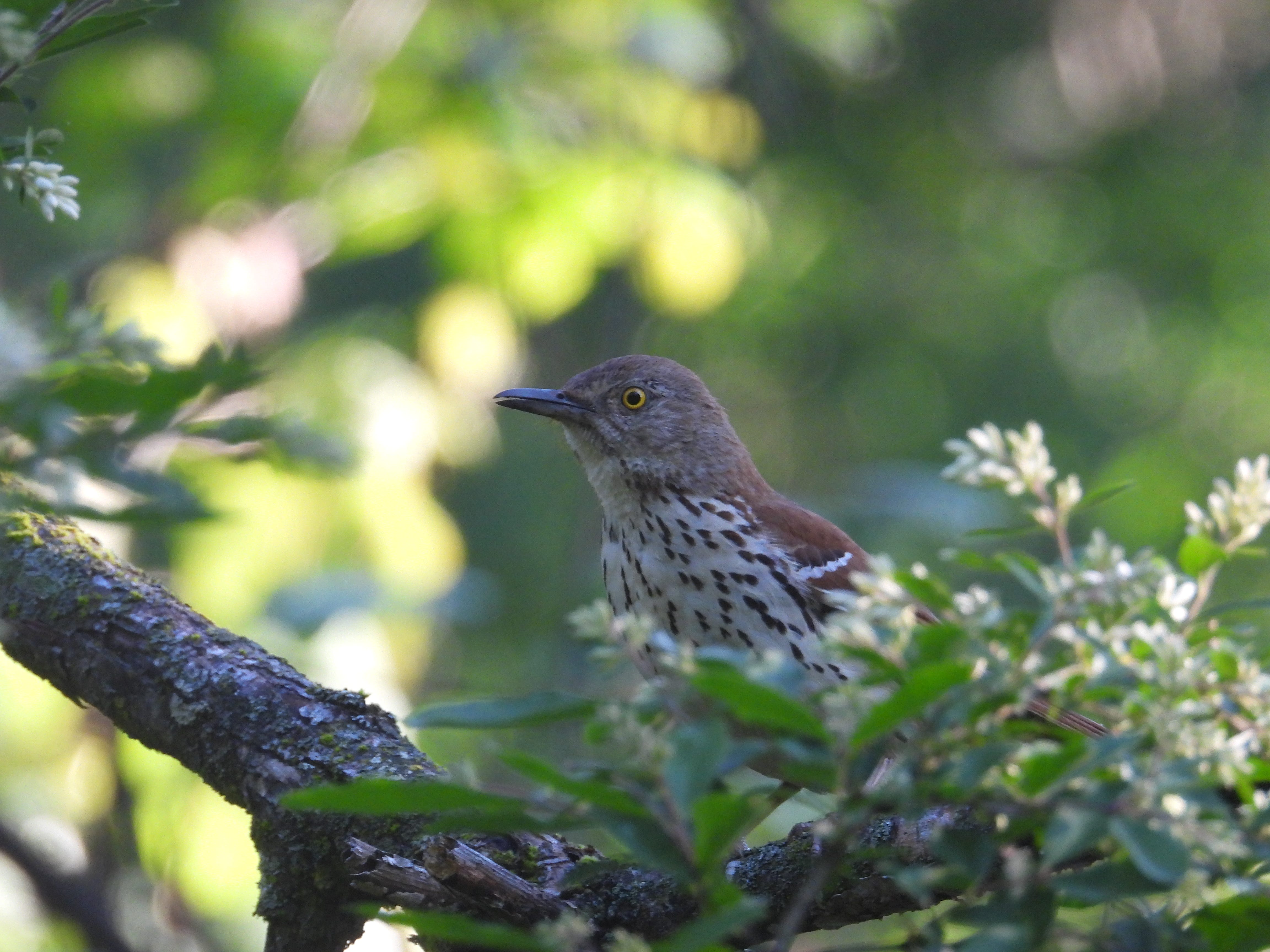
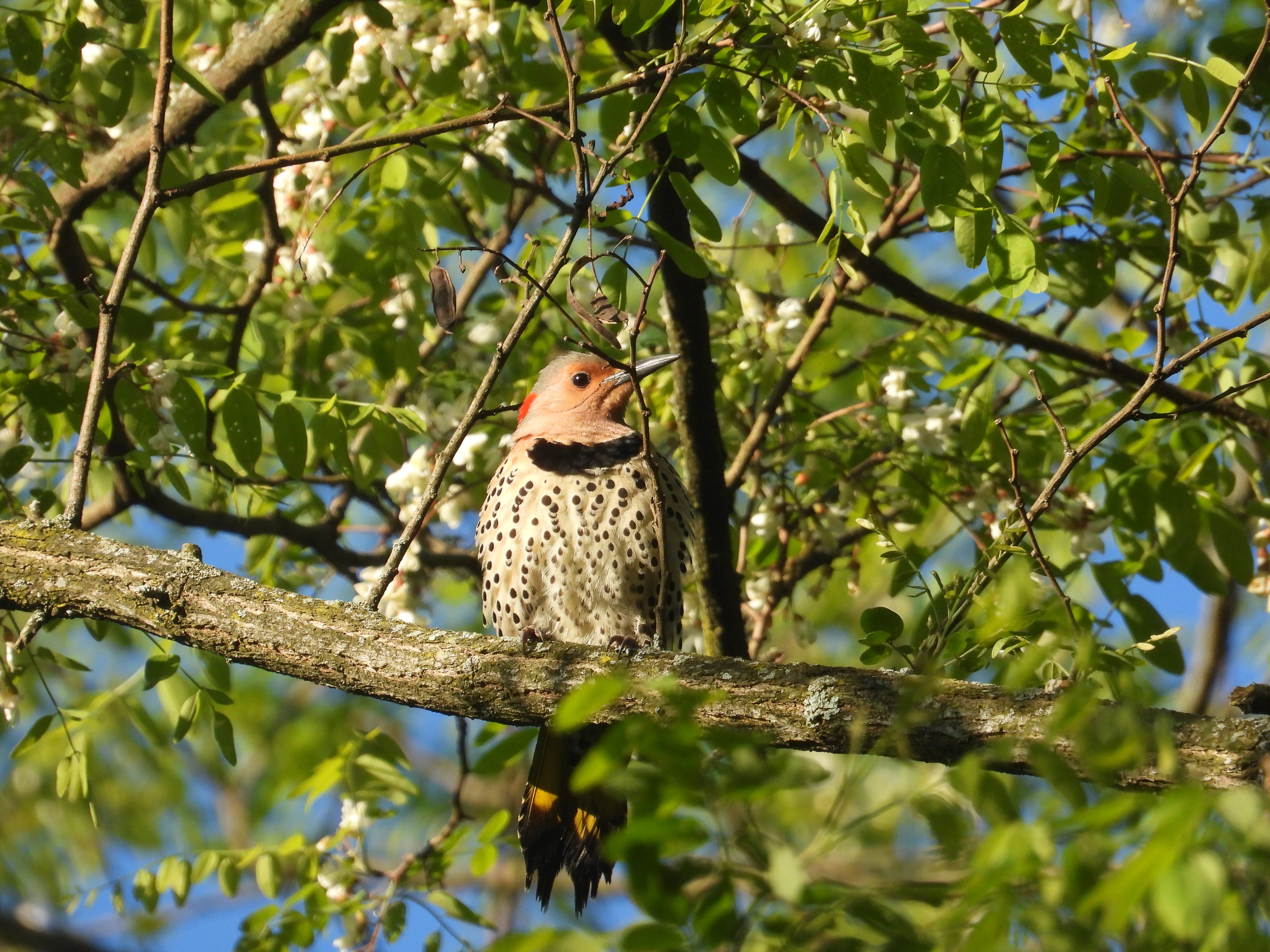
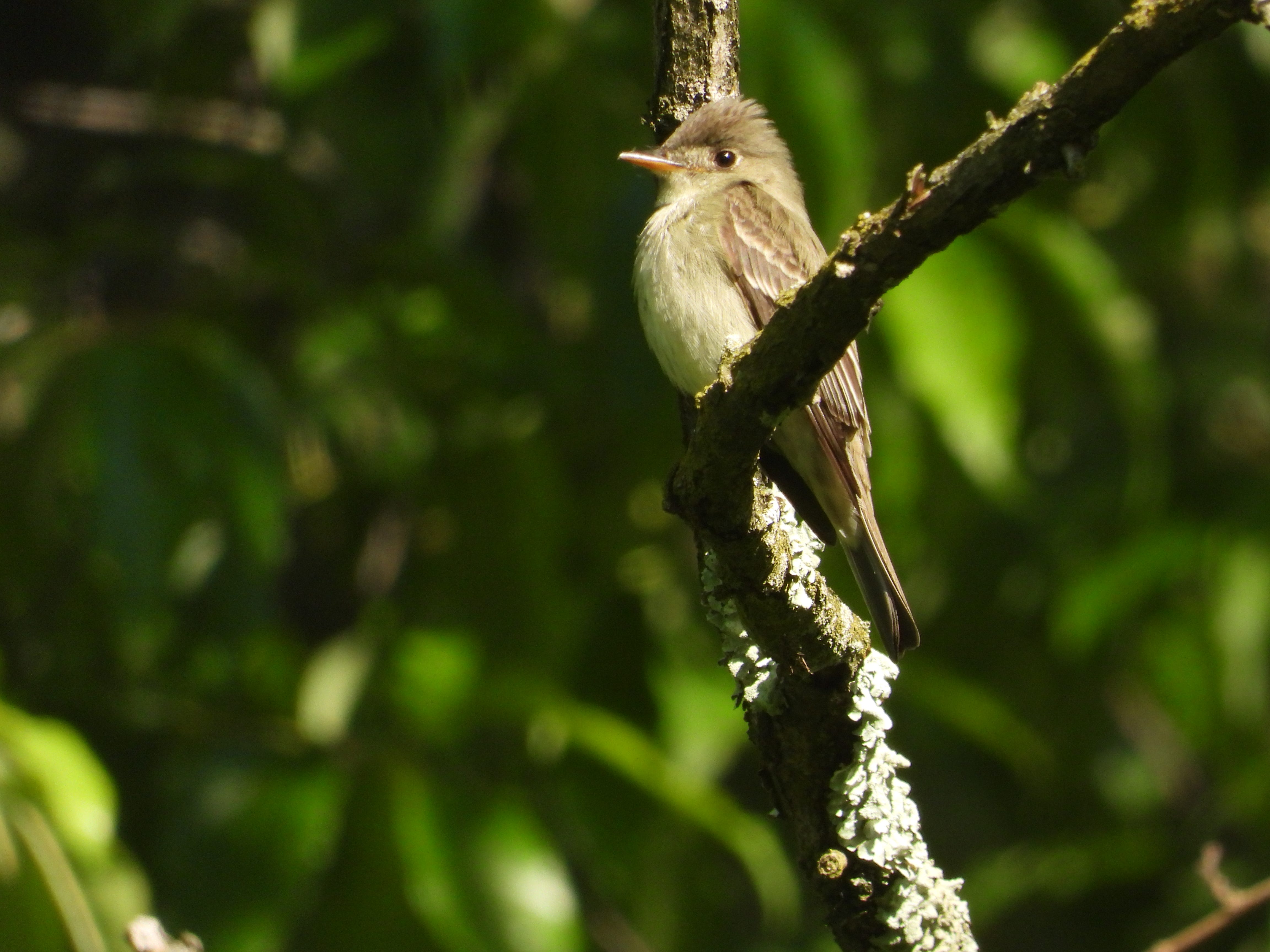
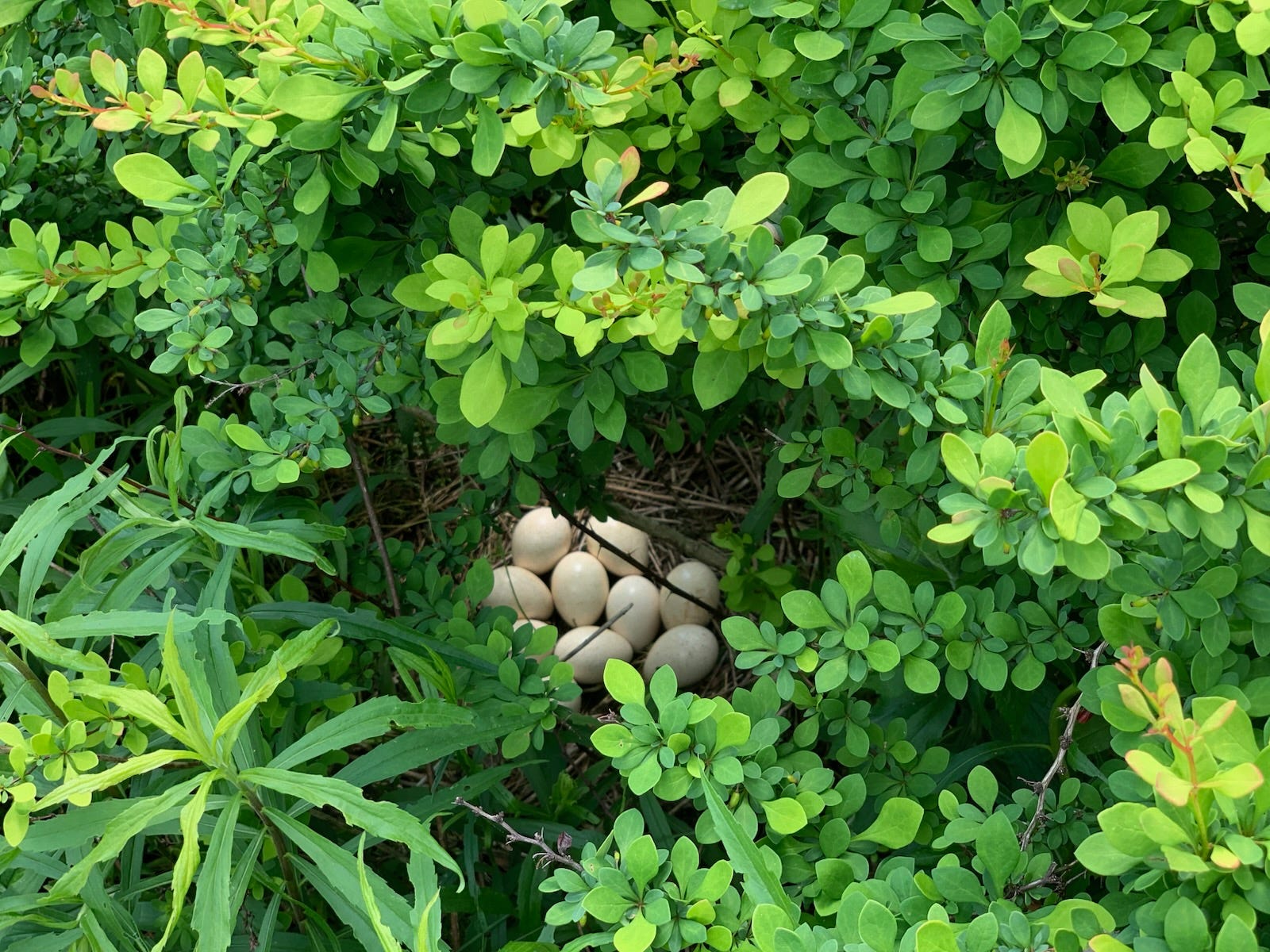
Throughout the year, some 75 species bred in the hotspot, out of a potential 90+. Species that almost definitely failed to nest (unlike recent years) were Golden-crowned Kinglet, Cliff Swallow, and Fish Crow.
Yellow-breasted Chat (potentially)
Bonus Audio
The following is a small selection of clips. Given the time-intensive nature of uploading audio checklist to eBird, I am currently only uploading the most notable calls. I keep the entire reference collection on my own devices, available upon request. I continue to comb through all one-hour recordings visually, but only snip the most promising calls.
Mourning Warbler, 6/1/25, and an oncoming train
Northern Waterthrush, 5/20/25
Ring-billed Gull (3/10/25)
Virginia Rail kek-kek (4/24/25)
Long-tailed Ducks singing (4/1/25)
Dickcissel churt (6/3/25)
Northern Rough-winged Swallow(s) hunting over the field at 4:50 AM, 6/9/25, having travelled at least half a mile.
Willow Flycatcher NFC, 6/3/25
Upland Sandpiper, quiddyquit (7/22/25 at 5 AM)
Caspian Tern, 145 AM on 8/30/25
Least Sandpiper at 404 AM on 10/13/25
American Pipit, 519 AM on 11/17/25
Lapland Longspur, 3 AM on 11/9/25